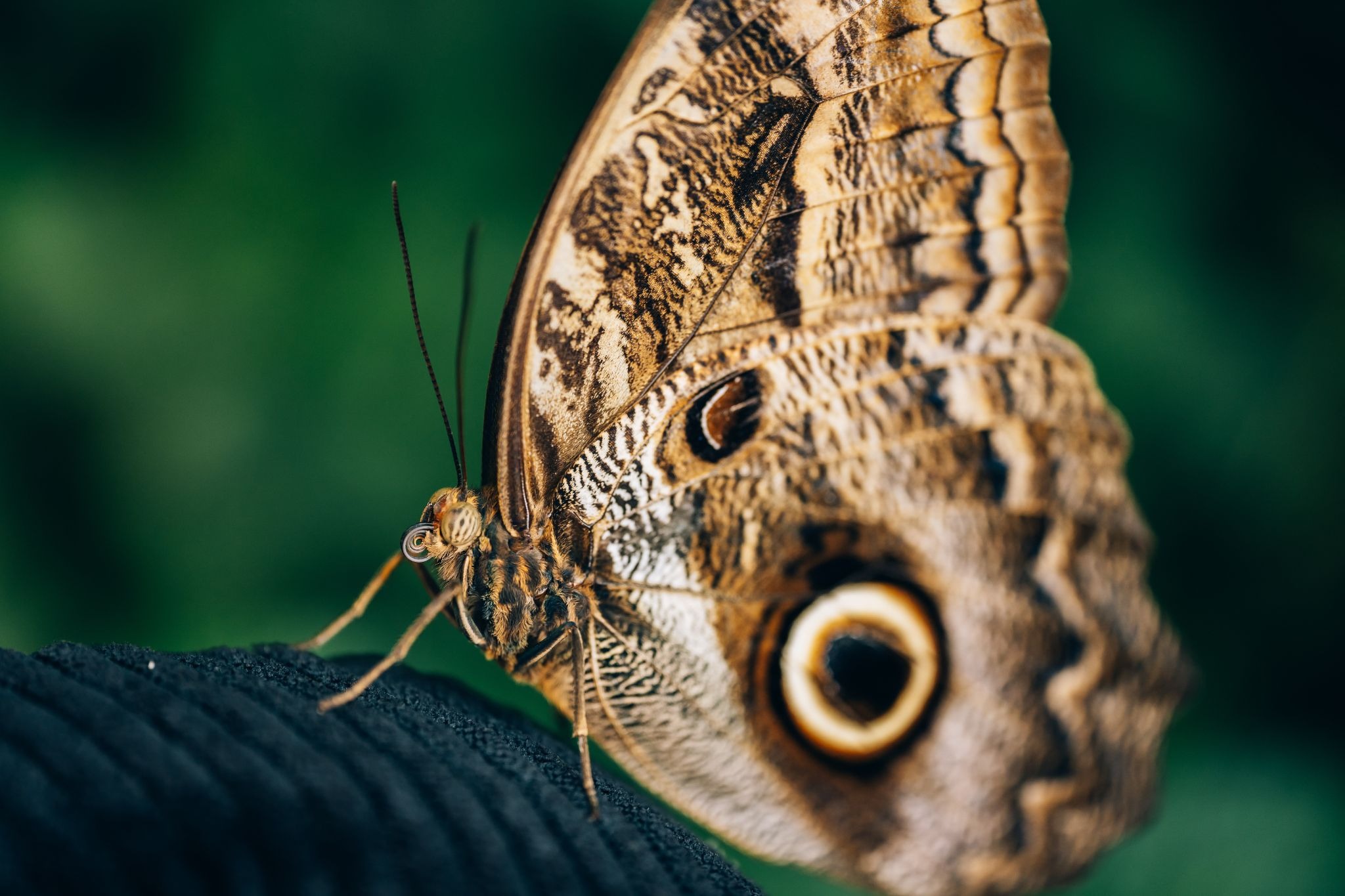
Butterfly watching is one of the easiest ways to explore nature. It requires little equipment, no advanced training, and no travel to remote places. A sunny garden, neighborhood park, meadow, woodland edge, or wetland can provide excellent opportunities for beginners.
Butterflies and moths belong to the insect order Lepidoptera. The name means “scale-winged” because their wings are covered with thousands of tiny scales. These scales create the colors, patterns, and reflective surfaces that make each species distinctive.
A beginner does not need to identify every butterfly immediately. Good butterfly watching begins with patience and careful observation. Size, wing shape, color, markings, flight style, habitat, season, and feeding behavior all provide useful clues.
The purpose is not only to name species. Watching butterflies also reveals how these insects feed, reproduce, avoid predators, and depend on plants. Even a familiar backyard can become an interesting place when someone learns what to notice.
Understanding Lepidoptera and Their Life Cycle
Lepidoptera includes both butterflies and moths. These insects have six legs, two pairs of wings, antennae, and bodies divided into the head, thorax, and abdomen. Most adults also have a long, tube-shaped mouthpart called a proboscis. They use it to drink nectar and other liquids.
Butterflies are usually active during the day. Most have thin antennae with small clubs at the ends. Many hold their wings upright while resting. Their bodies often appear slender, and their colors may look especially bright in sunlight.
Moths are commonly active at night, although some fly during the day. Their antennae may be feathery or thread-like, and many rest with their wings spread outward. These differences are helpful but not absolute.
All Lepidoptera undergo complete metamorphosis. Their life cycle includes four stages: egg, larva, pupa, and adult. The larval stage is the caterpillar stage. During this period, the insect spends most of its time eating and growing.
The caterpillar later forms a pupa, called a chrysalis in butterflies. Inside this protective structure, its body changes dramatically. Wings, antennae, legs, and other adult features develop before the butterfly emerges.
Each stage serves a different purpose. Caterpillars focus on growth, while adults focus on flight and reproduction. Understanding the full life cycle helps observers notice eggs, caterpillars, feeding marks, and chrysalises.
Where and When to Watch Butterflies
Butterflies depend on outside warmth to regulate their body temperature. They become more active when sunlight warms their bodies and flight muscles. Warm, sunny, and calm weather therefore creates the best viewing conditions.
Late morning through early afternoon is often the most productive period. By then, sunlight has warmed flowers, leaves, rocks, and open ground. Butterflies may be feeding, basking, searching for mates, or defending territories.
Cool mornings can also be useful because butterflies may remain still while warming themselves. Activity usually decreases during rain, strong wind, or low temperatures.
The best season depends on the region. Spring and summer often support the greatest variety. However, some species appear mainly in early spring, while others become common during late summer or fall. Migratory butterflies may pass through an area for only a few weeks.
Repeated visits help beginners notice when species first appear, become common, and decline.
Good butterfly habitats provide sunlight, shelter, nectar plants, host plants, and moisture. Flower gardens are excellent starting points because adult butterflies visit flowers for energy-rich nectar. Native flowers are especially valuable because local species often recognize them naturally.
Meadows and grasslands also support many butterflies. These habitats provide sunlight, grasses, wildflowers, and room for courtship flights. Woodland edges are equally productive because they combine sunny openings with shelter from trees.
Wetlands, riverbanks, and muddy trails may attract butterflies seeking water and minerals. Urban gardens and city parks can also support them when suitable plants are present.
How to Observe and Identify Butterflies
Butterflies react quickly to sudden movement. Fast footsteps, waving arms, or loud sounds may cause them to fly away. Approach slowly, and avoid casting a moving shadow over the insect. A sudden shadow may resemble an approaching predator.
Waiting near a flowering plant is often more effective than chasing a butterfly. Many species return to the same flower patch after a short flight. Remaining still gives the butterfly time to settle and continue its natural behavior.
Begin identification by estimating overall size. Decide whether the butterfly appears small, medium, or large. Comparing it with a nearby flower or leaf may be easier than estimating exact measurements.
Next, study the wing shape. Some butterflies have rounded wings, while others have pointed tips, scalloped edges, or tail-like extensions. Shape often helps separate similar groups.
Color is useful, but it should not be the only clue. Many unrelated species share orange, yellow, white, brown, blue, or black colors. Look instead for particular spots, bands, borders, lines, and patches.
Observe both wing surfaces when possible. The upper wings may carry bright colors used for recognition, attraction, or warning. The lower wings often have duller patterns that provide camouflage. A butterfly may look completely different with its wings closed.
Eyespots may resemble large eyes and distract predators. Iridescent scales may also appear different as the viewing angle changes.
Flight behavior provides further clues. Some butterflies glide slowly, while others fly quickly, stay low among grasses, or return repeatedly to one perch.
Habitat and season should support the identification. A wetland species may be unlikely in a dry meadow, while some butterflies appear only during certain months. A regional field guide can help compare all these details.
Photographs and notes are useful. Record the date, time, location, weather, plant type, size, behavior, and visible markings. However, never chase or repeatedly disturb a butterfly merely to obtain a picture.
Common Behaviors and Plant Relationships
Recognizing butterfly behavior makes each observation more meaningful. Nectar feeding is one of the easiest behaviors to see. A butterfly lands on a flower, uncoils its proboscis, and drinks nectar. Different species may prefer different flower shapes, colors, and heights.
Basking is another common behavior. Butterflies often open their wings toward the sun to absorb heat. This warmth prepares their flight muscles. Some species open their wings fully, while others keep them closed and turn sideways toward the sun.
Puddling occurs when butterflies gather on damp soil to absorb water, salts, and minerals. Territorial butterflies may patrol a small area, chase other insects, and return to the same perch. Courtship can involve circling or close following.
Plant relationships are essential to butterfly survival. Adult butterflies usually drink nectar, but caterpillars eat leaves. The plants eaten by caterpillars are called host plants.
A female butterfly searches carefully for the correct host plant before laying eggs. After hatching, the caterpillars begin feeding on that plant. Some caterpillars can use several related plants, while others depend on one species or plant family.
A garden may attract adults with nectar-rich flowers but still provide no place for reproduction. A complete butterfly habitat needs both nectar plants and host plants.
Beginners can inspect leaves for eggs, caterpillars, feeding damage, and chrysalises without touching them. Learning local plants also makes identification easier.
Responsible Butterfly Watching and Habitat Protection
Butterfly watching should never harm the insects or their environment. Stay on marked paths whenever possible because walking through vegetation may crush eggs, caterpillars, pupae, or important host plants.
Do not capture, touch, or handle butterflies for casual observation. Their wings, legs, and bodies are delicate. Handling can remove scales or cause injury. Chasing should also be avoided because repeated disturbance may interrupt feeding, resting, mating, or egg laying.
Mating pairs, caterpillars, and chrysalises require special care. Never remove insects, plants, or eggs from protected areas.
Pesticides can seriously harm Lepidoptera. Chemicals used against unwanted insects may also kill butterflies, moths, and caterpillars. Avoid broad pesticide use in butterfly-friendly spaces.
Creating habitat at home can support both observation and conservation. Plant nectar-rich flowers that bloom during different seasons. Native plants are usually best because they suit the local climate and often meet the needs of local butterflies.
Include host plants alongside nectar plants. Some leaves may show feeding damage, but that means caterpillars are using the garden. Plant flowers in groups so butterflies can find them more easily.
Sunny spaces provide warmth for basking, while shrubs and tall grasses offer shelter. A successful garden supports adults, caterpillars, pupae, and reproduction.
Butterfly watching builds patience, observation skills, and environmental awareness. It can also reveal changes in habitat quality, weather patterns, and plant diversity. Regular observations may support citizen science projects that track migration, seasonal timing, and population trends.
Beginners should start with a few common species rather than memorizing an entire field guide. Repeated visits gradually improve identification skills. Over time, familiar patterns, behaviors, and habitats become easier to recognize.
Butterflies may appear fragile, but they are highly adapted insects with complex relationships to plants, weather, predators, and seasonal cycles. Watching them closely offers a simple and rewarding way to understand the natural world.