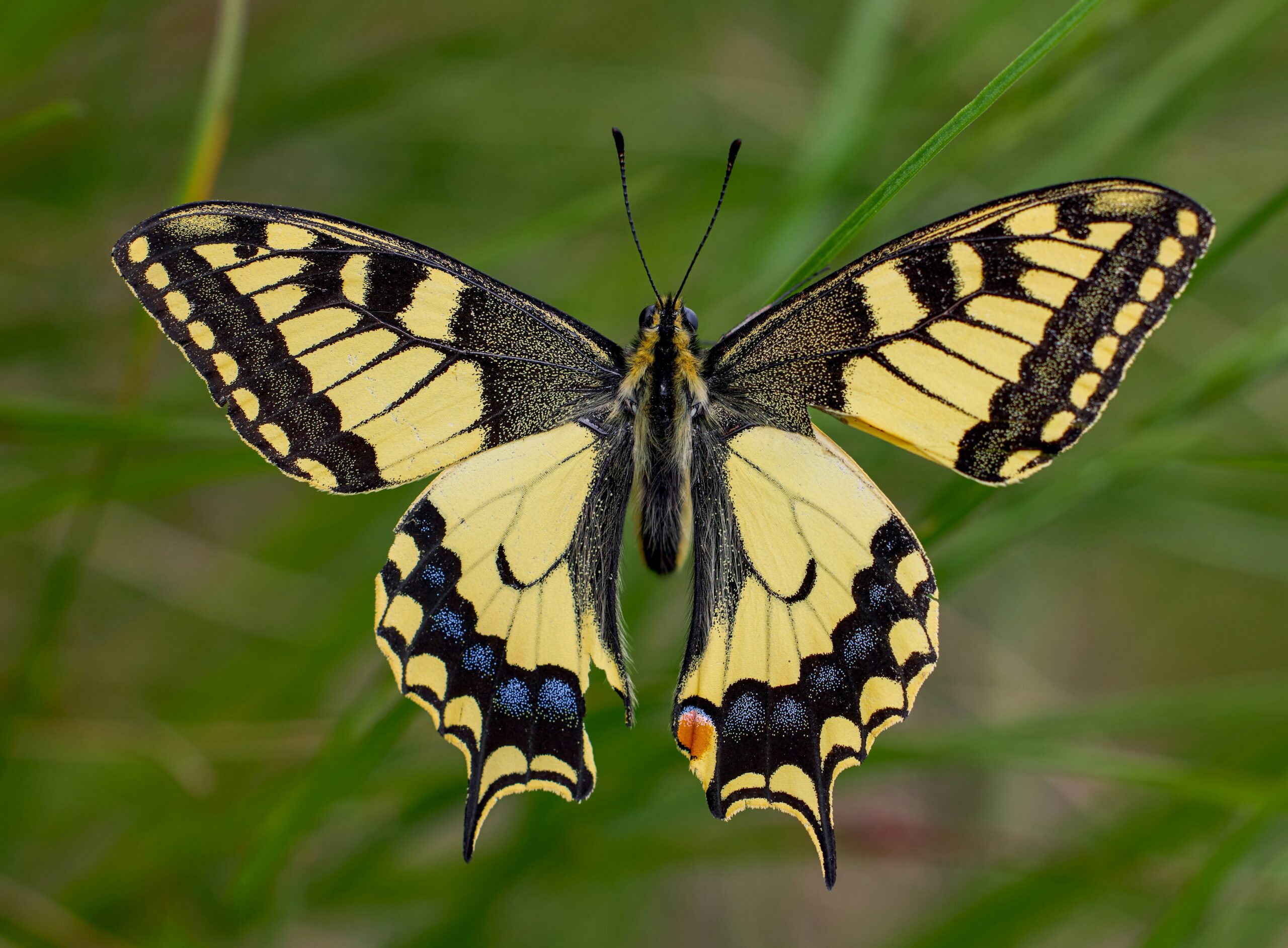
Butterflies have fascinated people for centuries. Their bright wings, delicate movements, and quiet presence make them one of the most admired insects on Earth. Behind this beauty lies a long and remarkable history. Butterfly evolution tells the story of survival, adaptation, and transformation across millions of years.
These winged insects belong to the order Lepidoptera, which also includes moths. Through some of our research, we now believe that butterflies evolved from moth-like ancestors more 100 million years ago. Over time, they adapted to new environments, developed vibrant wing patterns, and formed deep connections with flowering plants.
Understanding butterfly evolution reveals more than their appearance. It shows how nature shapes life through small changes across vast stretches of time.
The Origins of Lepidoptera
The story of butterflies begins with ancient insects that lived during the age of dinosaurs. Fossil records suggest that early Lepidoptera appeared around 190 million years ago. These early species likely looked more like modern moths than butterflies.
At that time, flowering plants had not yet spread across the planet. Early Lepidoptera fed on primitive plants such as ferns. Their mouthparts slowly evolved into long tubes known as proboscises. This adaptation allowed them to drink nectar once flowering plants began to dominate the world’s ecosystems.
This shift created a powerful partnership. Plants offered nectar, and butterflies helped carry pollen from flower to flower. Over time, both groups evolved together, shaping the landscapes we see today.
From Moths to Butterflies
Scientists believe butterflies evolved from day-flying moth ancestors roughly 100 million years ago. The biggest difference between butterflies and moths lies in their behavior and structure.
Butterflies became active during the day. This change influenced the evolution of bright wing colors and complex patterns. Daylight allowed these insects to use color for communication, camouflage, and warning signals.
Their antennae also developed a distinctive club or hook shape. This feature helps scientists easily distinguish most butterflies from moths.
This change likely did not happen suddenly. It is thoguht to have formed gradually through millions of generations.
The Magic of Metamorphosis
One of the most remarkable aspects of butterfly evolution is metamorphosis. Butterflies pass through four life stages: egg, larva, pupa, and adult.
The caterpillar stage focuses on growth. Most caterpillars eat constantly. They store energy for the transformation ahead. During this phase, they may grow hundreds of times their original size.
Next comes the chrysalis. Inside this protective shell, the caterpillar’s body breaks down and rebuilds. Wings, antennae, and other adult features slowly form.
Finally, the adult butterfly emerges. It spreads its wings and begins a new stage of life focused on feeding, migration, and reproduction.
This transformation allows butterflies to use different resources at each stage. Caterpillars feed on leaves, while adults drink nectar. This strategy reduces competition within the species.
Why Butterfly Wings Are So Colorful
Butterfly wings are among the most striking features in the insect world. Their colors serve many purposes beyond beauty.
Tiny scales cover the surface of butterfly wings. These scales reflect and absorb light differently. Some colors come from pigments. Others result from microscopic structures that bend light.
Bright colors help butterflies communicate. Some species display vivid patterns to attract mates. Others use bold colors to warn predators that they are toxic.
Certain butterflies mimic dangerous species. This trick protects them from predators, even if they are harmless. Scientists call this strategy mimicry.
Wing patterns also help with camouflage. Many butterflies can blend into leaves, bark, or flowers when they rest.
The Relationship Between Butterflies and Plants
Butterfly evolution is closely linked with the rise of flowering plants. As plants developed nectar-rich flowers, butterflies adapted to feed on them.
The butterfly’s long proboscis acts like a drinking straw. It allows the insect to reach nectar deep inside flowers. While feeding, the butterfly picks up pollen and carries it to the next plant.
This interaction benefits both sides. Plants gain pollination, butterflies receive energy-rich nectar.
Caterpillars depend on specific host plants. Many species lay eggs only on certain plants that their larvae can eat. This relationship creates strong ecological connections between butterflies and vegetation.
If host plants disappear, butterfly populations often decline.
Butterfly Adaptations That Support Survival
Butterflies developed many features that help them survive in changing environments.
Flight allows them to escape predators quickly. Their wings are lightweight yet strong. This design supports long migrations in some species.
The Monarch butterfly provides a famous example. Each year, millions travel thousands of kilometers between North America and Mexico. No single butterfly completes the entire journey, asseveral generations complete the migration cycle.
Some butterflies also rely on chemical defenses. Caterpillars may store toxins from the plants they eat. These chemicals remain in their bodies as adults. Predators learn to avoid these species.
Other butterflies rely on speed, camouflage, or seasonal timing to survive.
The Global Diversity of Butterflies
Today, scientists recognize more than 19,500 butterfly species worldwide. They live on every continent except Antarctica.
Tropical regions contain the greatest diversity, aswarm climates and abundant plant life provide ideal conditions for butterfly populations.
Rainforests in South America and Southeast Asia host thousands of species with stunning colors and shapes. Some have wings wider than a human hand.
In colder regions, butterflies adapt by developing shorter life cycles or entering dormancy during winter months.
Each species contributes to the delicate balance of its ecosystem.
Butterflies as Indicators of Environmental Health
Butterflies do more than add beauty to gardens and forests. They also serve as indicators of environmental health.
Because butterflies rely on specific plants and climates, their populations respond quickly to environmental changes. When habitats disappear or temperatures shift, butterfly numbers often decline.
Scientists study butterfly populations to understand how ecosystems change. Declines may signal problems such as habitat loss and pesticide use.
Protecting butterflies often means protecting entire ecosystems. When habitats remain healthy, many other species benefit.
Conservation and the Future of Butterflies
Despite their resilience, many butterfly species face growing threats. Habitat destruction and climate change remains one of the biggest challenges.
Habitat destruction often comes from urban development and agriculture. These activities often remove native plants that butterflies need. Often introduced, non-native are plants are put in the place of natives. While it may seem like green spaces are replaced, non-native plants often cannot be used by native butterflies.
Climate change adds another layer of pressure, asrising temperatures can alter butterfly life cycles. Some species will end up moving up mountains under warmer temperatures; those that already live at the tops of mountains will have nowhere to go, and face extinction.
Conservation efforts focus on restoring natural habitats and planting native flowers. Butterfly gardens in parks and backyards can support local species.
Small actions by individuals, such as removing your lawn and planting natives can help save these remarkable insects.
The Lasting Wonder of Butterfly Evolution
Butterfly evolution reflects the quiet power of nature’s creativity. From ancient moth-like ancestors to today’s vibrant species, butterflies have adapted to countless changes across nearly a million years.
Our research has shown that the first butterflies likely originated in Central America, before spreading across the world.
When a butterfly drifts across a garden or meadow, it carries the story of evolution on its wings. That story continues as new generations emerge and ecosystems shift.
The beauty of Lepidoptera is not only visual. It lies in the complex journey that shaped these delicate yet resilient creatures.
Frequently Asked Questions
What is Lepidoptera?
Lepidoptera is the scientific order that includes butterflies and moths. The name refers to the tiny scales that cover their wings, which create their colors and patterns.
When did butterflies first evolve?
Scientists estimate that butterflies evolved around 100 million years ago from moth-like ancestors during the age of flowering plants.
Why are butterfly wings so colorful?
Butterfly wings contain microscopic scales that reflect light and pigments. These colors help with communication, camouflage, and predator warning signals.
How does butterfly metamorphosis work?
Butterflies develop through four stages: egg, caterpillar, chrysalis, and adult. Inside the chrysalis, the caterpillar’s body reorganizes into a fully formed butterfly.
Why are butterflies important to ecosystems?
Butterflies help pollinate flowers and support plant reproduction. They also serve as indicators of environmental health because their populations respond quickly to ecological changes.