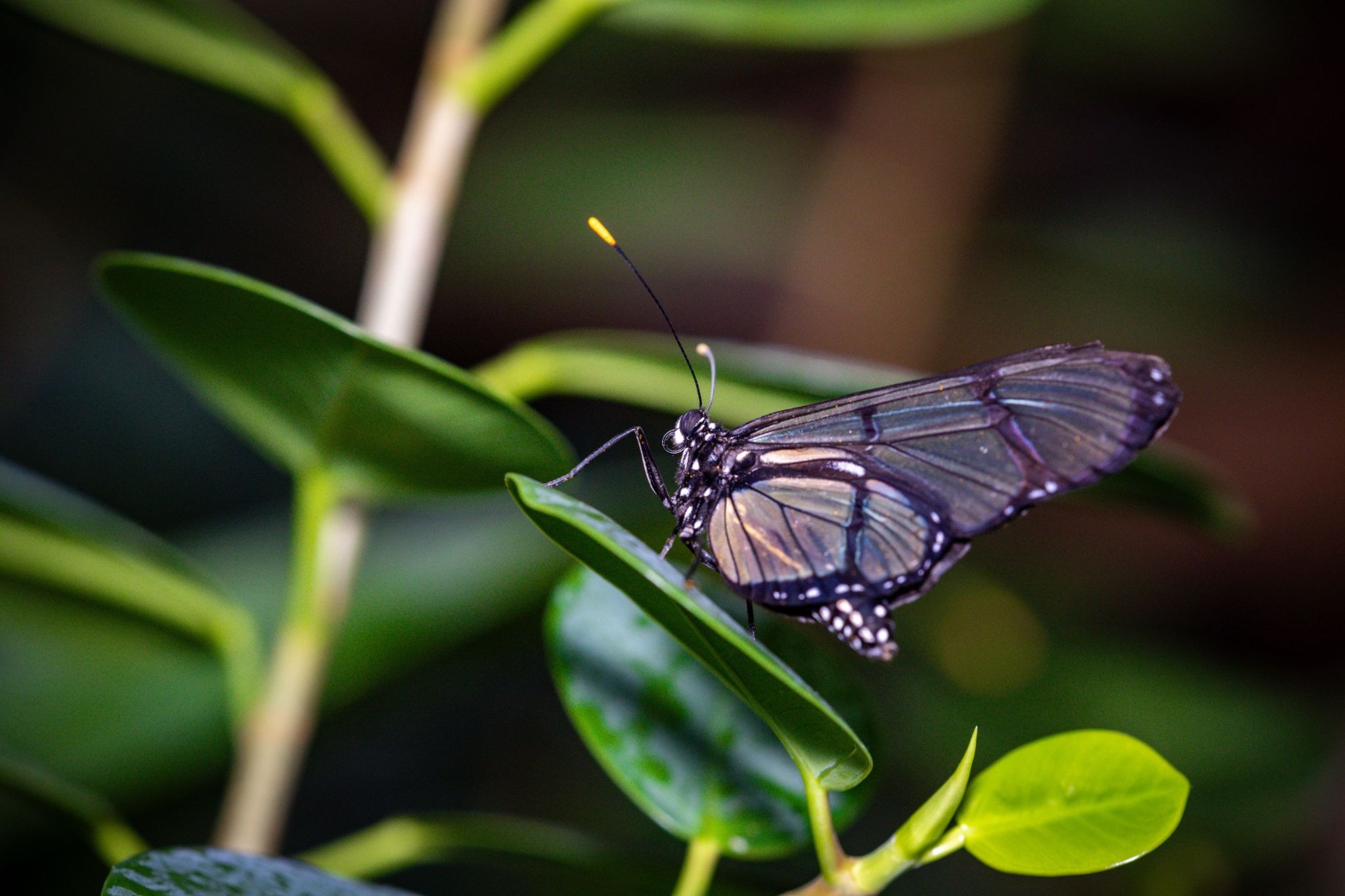
Butterflies and moths are often admired for their colors, patterns, and delicate wings. However, their importance goes far beyond appearance. Together, they form the insect order Lepidoptera, one of the most diverse groups in nature. These insects live in forests, grasslands, wetlands, farms, deserts, gardens, and cities.
Lepidoptera influence ecosystems during every stage of their life cycle. Caterpillars interact closely with plants, while adults move between flowers and habitats. Their eggs, larvae, pupae, and adults also provide food for many animals. Even their waste and remains return nutrients to the environment.
Some benefits are easy to recognize, such as pollination. Others are less obvious. Lepidoptera can help regulate plant growth, support scientific research, reveal environmental changes, and maintain complex food webs.
Understanding these roles shows why butterflies and moths deserve protection. Their presence often indicates that an ecosystem still contains the plants, shelter, and seasonal conditions needed to support life.
1. Lepidoptera Pollinate Flowers During the Day and Night
Pollination is one of the best-known environmental benefits of Lepidoptera. Adult butterflies and moths often drink nectar from flowers through a long, tube-shaped mouthpart called a proboscis. As they move between flowers, pollen attaches to their bodies and reaches other plants.
Butterflies usually pollinate during daylight hours. They often visit brightly colored flowers with broad surfaces where they can land. Their long legs and wings may touch pollen-producing structures while they feed.
Moths add an important nighttime pollination service. Many flowers open or release stronger scents after sunset. These flowers may depend on moths when bees, butterflies, and other daytime insects are inactive.
Night-blooming flowers are often pale, making them easier to see in low light. Their strong fragrance guides moths from a distance. Some moths can locate flowers even when darkness makes visual navigation difficult.
Certain plants and moths have developed highly specialized relationships. A flower may hold nectar deep inside a long tube, while a moth has a proboscis long enough to reach it. The moth receives food, and the plant receives pollination.
This nighttime activity expands the total number of hours when pollination can occur. It also helps plants that might receive little attention from daytime insects.
Although not every moth or butterfly is an equally effective pollinator, their combined contribution supports wild plants, gardens, and some crops. Without them, certain plants could experience lower reproduction and reduced genetic diversity.
2. Caterpillars Help Control and Reshape Plant Growth
Caterpillars are famous for eating leaves, and this behavior sometimes makes them seem harmful. However, moderate feeding can play a useful ecological role.
By removing leaves, caterpillars influence how plants grow. Some plants respond by producing new shoots, stronger chemical defenses, or different patterns of branching. This interaction can shape plant communities over time.
Caterpillar feeding also prevents certain plants from dominating an area completely. When many insects feed on abundant species, other plants may gain access to sunlight, water, and soil nutrients.
This process contributes to plant diversity. A more diverse plant community can support more insects, birds, mammals, and microorganisms.
Not every feeding event benefits a plant directly. Heavy infestations may damage individual plants, especially in farms or managed gardens. However, in natural ecosystems, caterpillars usually exist within a larger balance of predators, weather, plant defenses, and food availability.
Caterpillars also create small openings in leaves. These damaged areas can change how sunlight passes through vegetation and how moisture moves across plant surfaces.
Their feeding may encourage plants to produce defensive chemicals. These chemicals can influence other insects and sometimes affect neighboring plants.
The relationship between caterpillars and plants is therefore more complex than simple destruction. Lepidoptera help shape which plants thrive, how they grow, and how different species share limited space.
3. They Provide Essential Food for Wildlife
Lepidoptera are a major food source for many animals. Their eggs, caterpillars, pupae, and adults are eaten by birds, bats, spiders, frogs, reptiles, beetles, wasps, and small mammals.
Caterpillars are especially valuable because their soft bodies contain protein, fat, and moisture. Many birds depend heavily on them when raising young.
Adult birds may eat many types of food, including seeds and fruit. However, growing chicks often require protein-rich insects. Caterpillars are easier for young birds to digest than many hard-bodied insects.
A healthy population of moths and butterflies can therefore support successful nesting seasons. When caterpillar numbers decline, some birds may struggle to find enough food for their young.
Moths are also essential to bats. Many bat species hunt flying insects at night, and moths make up an important part of their diet. This relationship has shaped both groups over time.
Bats use echolocation to locate moths in darkness. In response, some moths have developed hearing organs that detect approaching bats. Others produce sounds that may confuse or warn predators.
Lepidoptera also support predators indirectly. Wasps may lay eggs inside caterpillars, while spiders capture adult moths in webs. These interactions transfer energy through different levels of the food web.
When Lepidoptera populations fall, the effects can spread beyond the insects themselves. Predators may lose food, plants may lose pollinators, and the balance between species may change.
Protecting butterflies and moths therefore helps protect many other animals that depend on them.
4. Lepidoptera Move Nutrients Through Ecosystems
Every living organism participates in nutrient cycling, and Lepidoptera are no exception. Their feeding, waste, movement, and decomposition help transfer nutrients between plants, animals, soil, and microorganisms.
Caterpillars consume leaves and convert plant material into body tissue and waste. Their droppings, called frass, fall to the ground and break down more quickly than whole leaves.
This process returns nutrients to the soil, where fungi, bacteria, and small invertebrates continue decomposition. Plants may later absorb those nutrients through their roots.
Caterpillars also move nutrients into the bodies of predators. When a bird eats a caterpillar, energy originally stored in plant tissue moves upward through the food chain.
Adult moths and butterflies transport nutrients across short and long distances. They may feed in one location, travel elsewhere, and become food for another animal.
Migratory species can move energy between regions. A butterfly that develops in one habitat may later travel hundreds of miles before reproducing or dying in another.
When Lepidoptera die, their bodies decompose and return nitrogen, carbon, and other materials to the environment. Even shed skins, empty eggshells, and abandoned pupal cases become part of the nutrient cycle.
These contributions may seem small when viewed individually. However, millions of insects performing these actions can have a meaningful environmental effect.
5. Butterflies and Moths Reveal Environmental Change
Lepidoptera can serve as indicators of ecosystem health. Many species respond quickly to changes in temperature, rainfall, plant growth, pesticide exposure, and habitat quality.
Butterflies are especially useful for monitoring because they are visible, active during the day, and often easier to identify than smaller insects.
A sudden decline in a species may suggest that its host plant has disappeared. It may also indicate changes in land use, pollution, pesticide exposure, or weather patterns.
The timing of butterfly emergence can also provide information. If adults begin appearing earlier than usual, warmer seasonal temperatures may be affecting their development.
Migration patterns may shift when rainfall, wind, temperature, or food availability changes. Scientists can compare records from different years to understand these trends.
Moths also provide valuable environmental information. Because moth species are extremely diverse, changes in their communities can reveal problems that might otherwise remain hidden.
Researchers may study which moths appear near forests, farms, wetlands, or urban areas. A wide variety of species often suggests that many plants and microhabitats remain available.
Citizen scientists also contribute by recording butterfly and moth sightings. Large collections of public observations help researchers track distribution, seasonal activity, and population change.
These insects function like living warning systems. Their decline does not explain every environmental problem, but it can signal that closer investigation is needed.
6. Lepidoptera Support Plant Diversity and Genetic Exchange
When butterflies and moths move pollen between flowers, they support more than seed production. They also help plants exchange genetic material.
Genetic exchange can strengthen plant populations. It may increase their ability to resist disease, tolerate changing weather, or adapt to new environmental conditions.
Lepidoptera often travel farther than smaller pollinators. Their movement can connect plants growing in separate patches, gardens, fields, or forest openings.
This connection is especially valuable in fragmented habitats. Roads, buildings, farms, and development may separate plant populations that were once connected.
A butterfly moving between these areas can carry pollen across those barriers. This helps reduce isolation between plant groups.
Caterpillars also support plant diversity through selective feeding. Because different species prefer different host plants, they spread their feeding pressure across many plant groups.
Some caterpillars eat common plants, while others depend on rare or specialized hosts. This variety creates complex relationships between insects and vegetation.
When an area supports many Lepidoptera species, it often supports many plant species as well. Each host plant, nectar plant, and shelter plant adds another layer to the habitat.
Protecting Lepidoptera therefore encourages the protection of plant diversity. A landscape designed for butterflies and moths usually includes native flowers, shrubs, grasses, and trees.
7. They Connect Habitats and Encourage Conservation
Butterflies and moths move through different environments during their lives. Caterpillars may remain on one plant, while adults travel between feeding, breeding, and resting areas.
This movement connects habitats. Pollen, nutrients, and genetic material may travel with them across gardens, farms, woodland edges, and open fields.
Migratory species create even larger connections. Their journeys may cross countries and link seasonal habitats separated by great distances.
These movements show why isolated protected areas are not always enough. Lepidoptera often need connected landscapes with flowers, host plants, shelter, and safe resting locations.
Butterflies also inspire public interest in conservation. Their beauty makes them effective symbols for habitat protection, native gardening, and reduced pesticide use.
People who begin by planting flowers for butterflies may later learn about host plants, moths, birds, soil health, and native ecosystems.
Simple actions can support Lepidoptera. Planting native species provides nectar and caterpillar food. Reducing outdoor lighting protects nighttime moth activity. Avoiding unnecessary pesticides prevents accidental harm.
Leaving some fallen leaves, stems, and natural ground cover can also provide shelter for eggs, caterpillars, and pupae.
The environmental value of Lepidoptera extends far beyond their appearance. They pollinate plants, feed wildlife, recycle nutrients, reveal environmental change, and connect habitats.
Their presence strengthens entire ecosystems. Protecting butterflies and moths means protecting the many plants, animals, and natural processes linked to their survival.