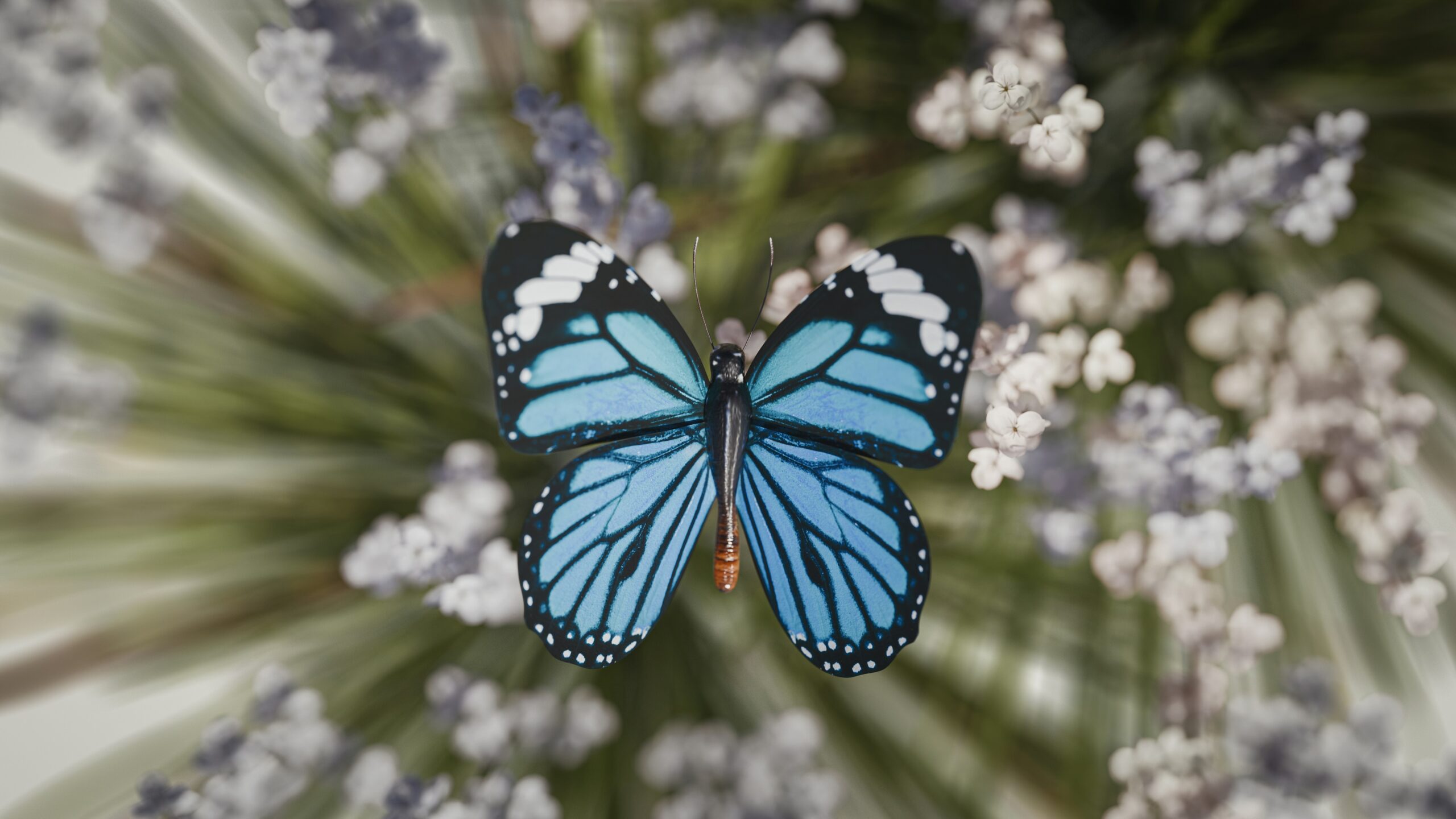
To begin with, butterflies have fascinated humans for centuries because they combine fragile beauty with an extraordinary life story. From their delicate wings to their graceful flight, these insects symbolize transformation, hope, and resilience in many cultures. Moreover, the order Lepidoptera, which includes butterflies and moths, is among the most visually diverse groups in the natural world.
In addition, the evolutionary journey of butterflies is not just about beauty but also about survival, adaptation, and innovation. As environments changed over millions of years, butterflies developed remarkable traits that helped them thrive. Consequently, understanding their evolution allows us to appreciate how science and aesthetics blend perfectly in nature.
Origins of Lepidoptera
Initially, scientists believed that Lepidoptera evolved over 100 million years ago alongside flowering plants. As plants diversified, butterflies adapted to feed on nectar, which provided a rich energy source. Furthermore, this mutual relationship helped plants with pollination while offering butterflies a dependable food supply.
At the same time, early butterflies developed specialized mouthparts called proboscises, which allowed them to access nectar deep inside flowers. As a result, this adaptation gave them a competitive advantage over other insects. Eventually, this close connection between butterflies and plants shaped ecosystems worldwide.
The Magic of Metamorphosis
Without a doubt, metamorphosis stands out as one of the most astonishing processes in the animal kingdom. Butterflies undergo complete metamorphosis, transforming from egg to larva, pupa, and finally adult. Meanwhile, each stage serves a unique purpose in growth and survival.
For example, caterpillars focus entirely on eating and storing energy, while the chrysalis stage allows internal restructuring. Consequently, tissues break down and reform into wings, antennae, and compound eyes. Ultimately, this dramatic transformation highlights nature’s ability to reinvent life in extraordinary ways.
Color, Pattern, and Survival
Interestingly, butterfly wings are not just beautiful; they are essential tools for survival. Colors and patterns help butterflies blend into their surroundings or warn predators of toxicity. Moreover, some species mimic others to avoid being eaten, a clever evolutionary strategy known as mimicry.
On the other hand, bright colors also play a role in communication and mating. For instance, ultraviolet patterns invisible to humans help butterflies identify suitable partners. Therefore, wing coloration serves multiple purposes, balancing attraction and defense.
Adaptation to Changing Environments
As climates shifted and continents moved, butterflies had to adapt quickly to new conditions. Consequently, some species developed tolerance to colder regions, while others specialized in tropical habitats. Additionally, migration became a powerful survival strategy for certain butterflies, such as the famous monarch.
Likewise, behavioral adaptations helped butterflies respond to predators and environmental stress. For example, some species evolved erratic flight patterns to confuse attackers. As a result, these small changes over time ensured that butterflies could persist despite constant ecological challenges.
Butterflies and Biodiversity
Beyond their individual beauty, butterflies play a crucial role in maintaining biodiversity. As pollinators, they support the reproduction of countless plant species. Furthermore, their presence often indicates a healthy ecosystem, making them valuable to scientists and conservationists.
However, butterflies also serve as a vital food source for birds, reptiles, and other insects. Therefore, they occupy an important position in the food web. In turn, protecting butterfly populations helps preserve entire ecosystems, not just a single species.
Human Fascination and Conservation
Throughout history, humans have admired butterflies in art, literature, and science. Consequently, they appear in myths and symbols representing rebirth and freedom. Moreover, modern research continues to explore butterfly genetics, behavior, and ecological importance.
Nevertheless, habitat loss, climate change, and pollution threaten many butterfly species today. As a result, conservation efforts focus on protecting natural habitats and planting native host plants. Ultimately, by safeguarding butterflies, humans also protect the delicate balance of nature itself.
The Ongoing Evolution of Beauty
The story of butterfly evolution is far from over. As modern environments continue to change, butterflies will keep adapting in surprising ways. Meanwhile, scientists closely observe these changes to understand evolution in real time better.
Finally, butterflies remind us that beauty and survival are deeply connected. Through millions of years of adaptation, Lepidoptera have become living art shaped by nature’s hand. Therefore, every fluttering wing tells a story of resilience, transformation, and the endless creativity of life on Earth.