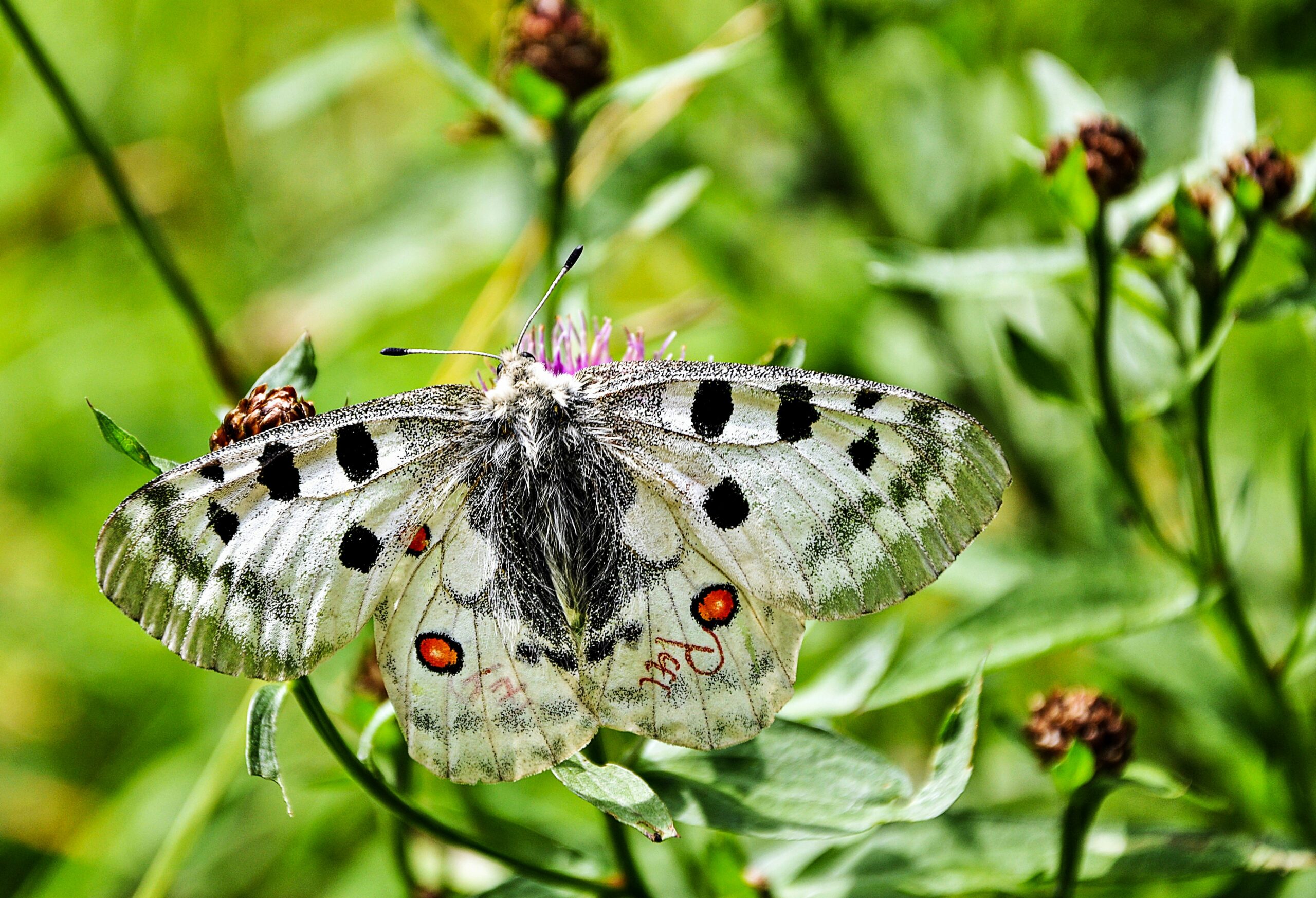
Across meadows, forests, and wetlands, butterflies and moths once filled the air with color and motion. Today, however, many species face a steep decline. Habitat loss, climate change, and pollution continue to reshape the natural world. As a result, countless Lepidoptera struggle to survive in landscapes that no longer support their needs.
Although these insects appear delicate, they play powerful ecological roles. They pollinate wildflowers and crops. They also provide food for birds, bats, and other wildlife. Therefore, when their numbers fall, entire ecosystems feel the impact. The quiet disappearance of butterflies and moths signals deeper environmental distress.
The Impact of Habitat Loss
Human development drives one of the greatest threats to Lepidoptera. Cities expand, roads stretch across open land, and agriculture intensifies. Consequently, native plants disappear. Without host plants, caterpillars cannot survive. Without nectar sources, adults cannot sustain flight or reproduction.
For example, the expansion of farming and urban spaces has reduced milkweed populations in North America. Milkweed supports the iconic Monarch butterfly during its larval stage. When milkweed declines, monarch populations shrink. Thus, a single plant species can determine the fate of an entire butterfly population.
Moreover, fragmented habitats isolate insect communities. Butterflies and moths often struggle to travel between patches of suitable land. This isolation limits genetic diversity and weakens long-term survival. As landscapes break apart, populations become more vulnerable to sudden change.
Climate Change and Shifting Seasons
Rising global temperatures create new challenges for Lepidoptera. Many species rely on precise seasonal timing. They emerge when host plants leaf out or when flowers bloom. However, climate change disrupts this synchronization.
Warmer springs may cause plants to bloom earlier than usual. Meanwhile, certain butterfly species may not adjust at the same pace. As a result, adults may emerge when nectar remains scarce. This mismatch reduces reproductive success and weakens future generations.
Additionally, extreme weather events destroy fragile habitats. Droughts dry out wetlands. Severe storms damage forests and coastal areas. Because butterflies and moths depend on stable environments, these rapid shifts threaten their survival. Consequently, climate instability amplifies every other environmental stressor.
Pollution and Chemical Exposure
Chemical pollution poses another serious threat. Pesticides designed to protect crops often harm non-target insects. When farmers apply broad-spectrum chemicals, butterflies and moths suffer unintended consequences. Even low levels of exposure can disrupt development and reproduction.
Light pollution also affects nocturnal moth species. Artificial lights attract moths away from natural behaviors. Instead of feeding or mating, they circle streetlamps and buildings. Over time, this distraction reduces reproductive success. Therefore, urban lighting reshapes nighttime ecosystems in subtle yet harmful ways.
Water pollution further compounds the problem. Runoff from roads and farms contaminates streams and wetlands. Caterpillars and host plants suffer when toxins accumulate in soil and water. As pollution spreads, survival becomes more difficult for already fragile populations.
Species on the Brink
Some butterflies and moths now face critical danger. The Karner blue butterfly once thrived in oak savannas and pine barrens. Today, habitat destruction has dramatically reduced its range. Conservation groups work tirelessly to restore native lupine plants that support their larvae.
Similarly, the Luna moth has experienced regional declines. Although this large green moth still appears in parts of North America, habitat fragmentation threatens its stability. Forest management practices that remove native trees reduce the availability of host plants. As mature forests shrink, so do opportunities for reproduction.
These examples illustrate a broader pattern. Many species that once flourished now occupy limited territories. Because their habitats continue to shrink, their future remains uncertain.
Conservation in Action
Despite these challenges, conservation efforts offer hope. Scientists, volunteers, and community groups collaborate to restore native habitats. They plant milkweed, wildflowers, and host trees. Through these actions, they rebuild essential food sources and breeding grounds.
Public education also plays a crucial role. When people understand the importance of Lepidoptera, they make informed choices. Homeowners plant native gardens. Farmers adopt integrated pest management practices. Cities reduce unnecessary nighttime lighting. Consequently, small actions combine to create meaningful change.
Protected areas further support recovery. National parks, wildlife refuges, and conservation lands provide safe spaces for vulnerable species. Within these boundaries, butterflies and moths find refuge from development and pollution. Although protection alone cannot solve every issue, it strengthens resilience.
Why Their Survival Matters
Butterflies and moths symbolize transformation and beauty. However, their importance extends far beyond appearance. They maintain pollination networks that support agriculture and wild ecosystems. They feed countless birds and mammals. Therefore, their decline disrupts ecological balance.
Moreover, they serve as indicators of environmental health. When butterfly populations fall, scientists often uncover deeper habitat problems. Thus, protecting Lepidoptera benefits entire ecosystems. Their survival reflects the broader health of the natural world.
A Shared Responsibility
The future of endangered butterflies and moths depends on collective action. Individuals can create pollinator-friendly gardens. Communities can preserve green spaces. Policymakers can support conservation programs and regulate harmful chemicals. Together, these efforts can reverse current trends.
Although the challenges remain significant, hope persists. Nature possesses remarkable resilience when given the chance to recover. By restoring habitats, reducing pollution, and addressing climate change, society can protect these fragile wings.
The struggle to save endangered Lepidoptera represents more than an effort to preserve beauty. It reflects a commitment to ecological balance and environmental responsibility. If we act with urgency and intention, butterflies and moths will continue to grace our skies for generations to come.