The journey known as lepidopteran metamorphosis feels almost magical, yet it follows a transparent, orderly process found throughout nature. When you first see a crawling caterpillar, it doesn’t seem very easy to imagine it turning into a delicate butterfly or moth. However, this change does not happen by chance. Instead, it unfolds through a series of stages that scientists have studied for centuries. Because this transformation occurs all around us, it offers one of the best ways to understand how life adapts and survives.
As we explore lepidoptera metamorphosis together, you will see how each stage serves a clear purpose. From constant feeding to complete stillness, every phase builds toward the final reveal. Even better, this process shows how patience and timing matter in the natural world. So, let us take a closer look at how this astonishing change really works.
Understanding Lepidoptera and Their Unique Life Cycle
Lepidoptera is the insect order that includes butterflies and moths. These insects have scaled wings, which give them their name, and they also have a life cycle unlike that of many other creatures. While some insects undergo simple changes, lepidopteran metamorphosis involves a complete transformation. This means the insect looks entirely different at each stage of life.
Because of this complete change, each phase has its own job. The caterpillar eats and grows, while the adult focuses on movement and reproduction. As a result, there is little competition between young and adult forms. This separation helps butterflies and moths survive in many environments. Over time, evolution shaped this process into one of nature’s most efficient systems.
The Egg Stage, Where Life Quietly Begins
Every butterfly or moth begins as a tiny egg. Female adults carefully choose where to lay these eggs, often selecting specific plants that will later feed the caterpillars. This choice matters because the young larvae cannot travel far once they hatch. Therefore, the right plant increases its chance of survival.
Inside the egg, the future caterpillar develops at a steady pace. Although this stage appears calm on the surface, significant changes are underway beneath the surface. Cells divide, tissues form, and the basic body plan takes shape. After a few days or weeks, depending on the species, the egg opens, and the next stage begins.
The Caterpillar Stage, Growth Through Constant Eating
Once the caterpillar emerges, eating becomes its primary task. During this stage of lepidoptera metamorphosis, the larva consumes leaves almost nonstop. This heavy feeding allows it to store energy for the dramatic change ahead. As it grows, the caterpillar sheds its skin several times because its outer layer cannot stretch.
Each molt marks progress toward maturity. Although the caterpillar may seem simple, its body prepares for future transformation. Inside, special groups of cells called imaginal discs wait quietly. Later, these cells will form wings, legs, and eyes. So while the caterpillar eats and grows, the butterfly already exists within it in a hidden form.
The Chrysalis or Cocoon Stage, Transformation in Stillness
After reaching full size, the caterpillar enters the most mysterious phase of lepidoptera metamorphosis. Butterflies form a chrysalis, while moths often spin a cocoon around themselves. At this point, movement almost stops, yet the most dramatic changes occur inside.
Within the chrysalis, the caterpillar’s body breaks down into a nutrient-rich substance. Then, the imaginal discs begin to build the adult insect. Wings form, antennae grow, and new muscles take shape. Although this stage looks inactive, it represents intense biological activity. When the process finishes, the adult insect stands ready to emerge.
The Adult Butterfly or Moth Stage, Life Takes Flight
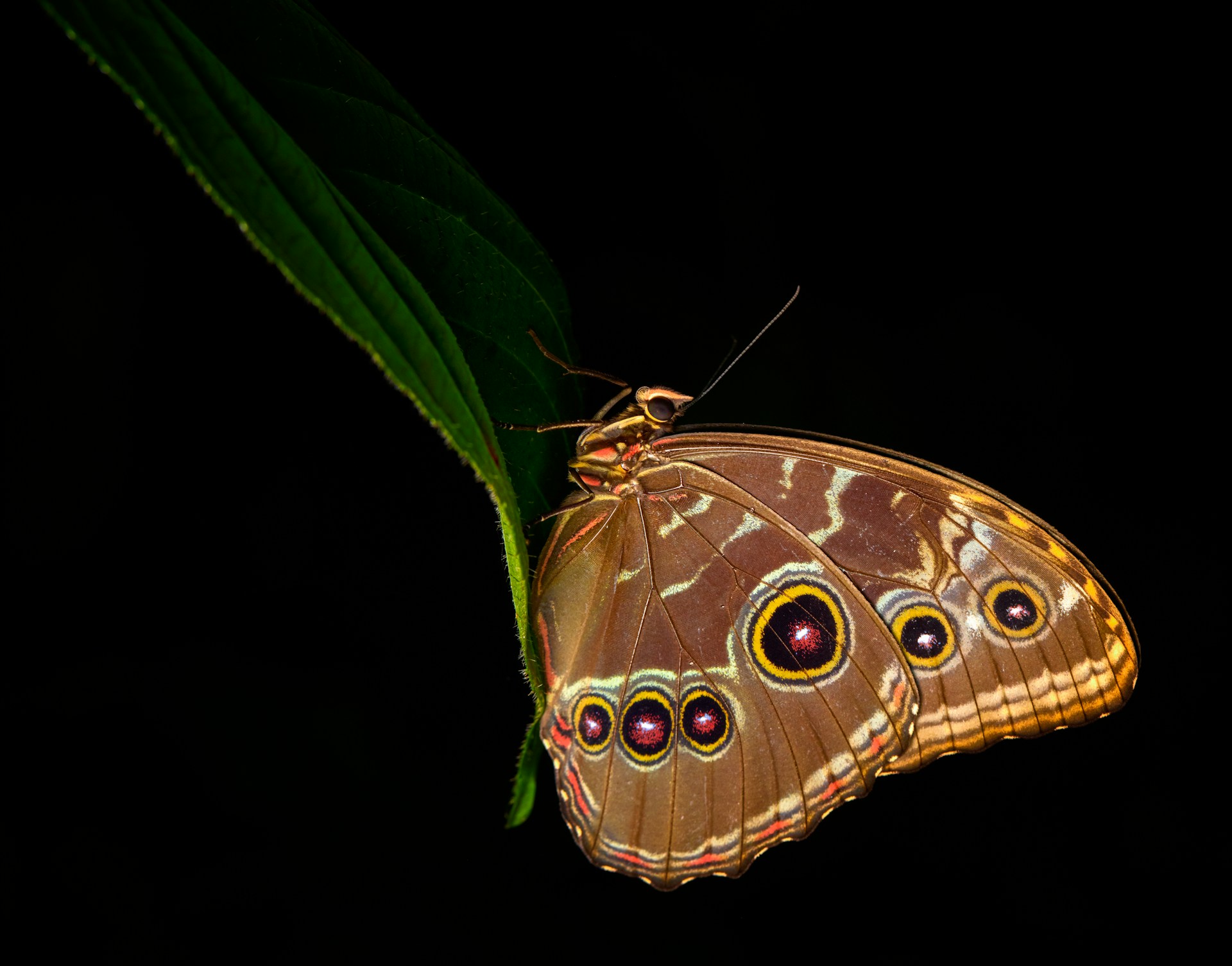
When the adult finally emerges, it looks nothing like the caterpillar that came before. Soft wings slowly expand as fluid flows through them, and soon they harden enough for flight. This moment marks the final step in Lepidoptera metamorphosis, and it often happens quickly.
As adults, butterflies and moths focus on feeding, mating, and laying eggs. Many sip nectar from flowers, which also helps plants pollinate. Some adults live only a few weeks, while others survive for months. Even so, their primary role stays the same: to continue the life cycle and begin the process again.
Why Lepidoptera Metamorphosis Matters in Nature
The complete transformation seen in Lepidoptera metamorphosis offers many advantages. Since larvae and adults eat different foods, they avoid competing with each other. This division of roles supports healthier populations and stable ecosystems. In addition, butterflies and moths act as pollinators, which helps plants reproduce.
Their presence also serves as a sign of environmental health. Because these insects respond quickly to habitat changes, scientists often study them to track climate and ecosystem shifts. Therefore, protecting butterflies and moths also protects many other species. Their transformation, while beautiful, plays a practical role in the balance of nature.
The Science Behind the Transformation
Scientists have long studied Lepidoptera metamorphosis to understand how such extreme changes occur. Hormones control each stage, guiding when the caterpillar should molt or form a chrysalis. One hormone promotes growth, while another triggers transformation. Together, they ensure proper timing.
Modern research also explores how genes switch on and off during metamorphosis. These genetic signals tell cells when to break down and when to rebuild. Because of this research, scientists gain insight into development, healing, and even regenerative medicine. What begins as a butterfly story often leads to discoveries far beyond insects.
Metamorphosis as a Symbol of Change and Growth
Beyond science, Lepidoptera metamorphosis holds deep symbolic meaning. Many cultures see butterflies as signs of renewal, hope, and transformation. The idea that a crawling caterpillar can become a flying adult inspires stories, art, and personal reflection.
This symbolism resonates because the process mirrors human growth. Just as the caterpillar must pause and change, people often need time and patience to grow. Therefore, the butterfly reminds us that, while challenging, change can lead to something remarkable.
Observing Lepidoptera Metamorphosis Up Close
If you want to see lepidoptera metamorphosis firsthand, you can start in your own backyard. Planting native flowers and host plants attracts butterflies and moths. Over time, you may spot eggs, caterpillars, or chrysalises among the leaves.
Many schools and nature centers also raise butterflies for educational purposes. Watching the full life cycle helps people of all ages understand biology in a personal way. More importantly, it builds respect for living systems. When you see the process up close, the transformation feels even more astonishing.
A Final Look at Nature’s Most Remarkable Transformation
The story of Lepidoptera metamorphosis combines science, beauty, and meaning into one seamless process. From a tiny egg to a winged adult, each stage supports the next with careful timing and purpose. This transformation reminds us that nature often works quietly and patiently.
As you think about butterflies and moths in the future, remember the hidden effort behind their flight. Their journey shows how change can be both complex and elegant. In the end, Lepidoptera metamorphosis stands as one of nature’s most potent examples of growth and renewal.