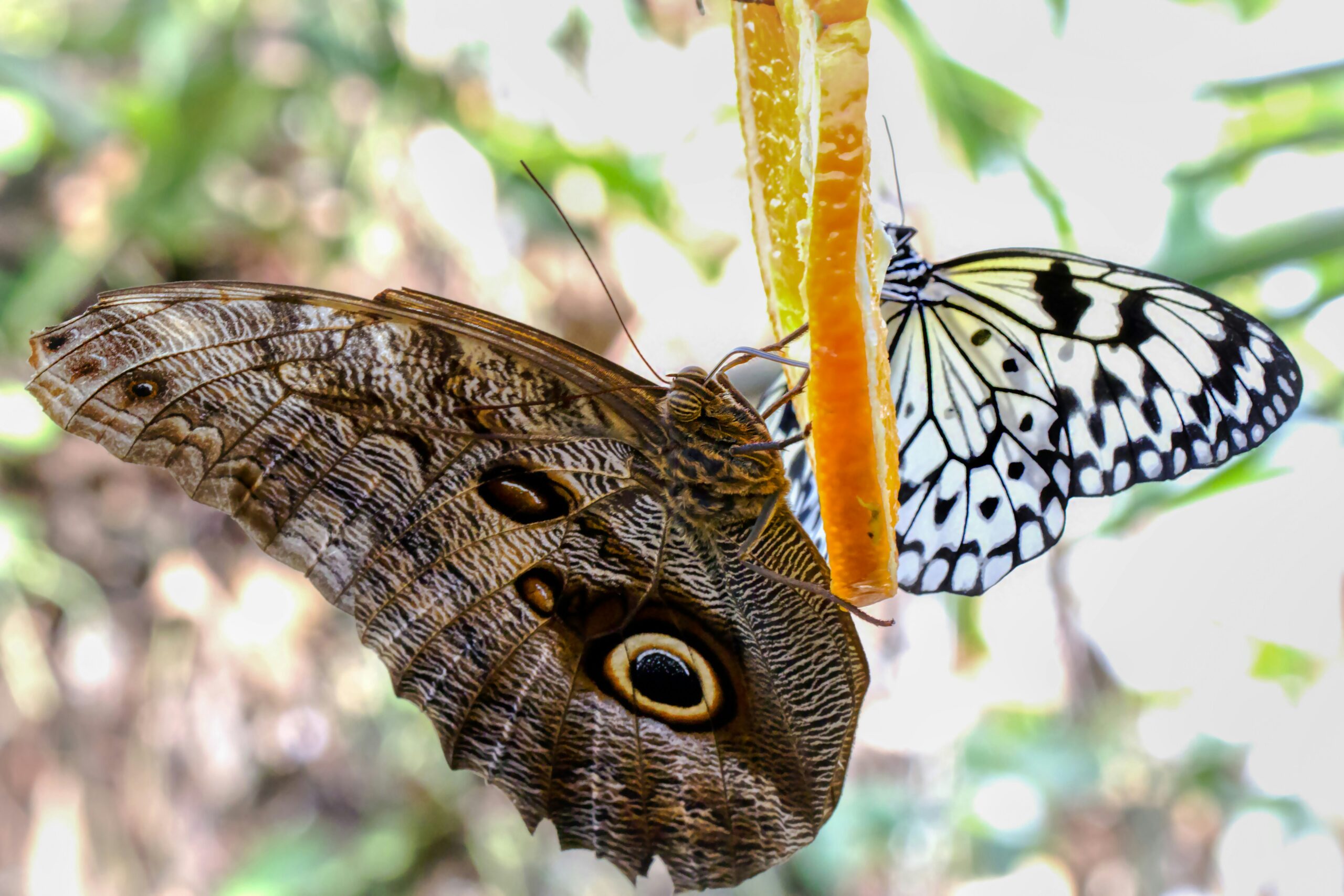
Butterflies and moths belong to the insect order known as Lepidoptera. These delicate creatures often attract attention because of their colorful wings and graceful flight. Yet their beauty tells only part of the story. When scientists study natural systems, they often notice how Lepidoptera benefit the ecosystem in ways that many people never consider.
From pollination to food chains, these insects play several quiet but powerful roles in nature. Their presence supports plant life, wildlife, and even the stability of natural habitats. Without them, many ecological processes would weaken or disappear entirely.
Understanding how Lepidoptera support the environment helps us appreciate their true value. It also highlights why protecting butterflies and moths matters for the planet’s health.
Natural Pollinators That Support Plant Life
Many people associate pollination with bees. However, butterflies and moths also contribute greatly to this process. When they move from flower to flower to feed on nectar, pollen attaches to their bodies. As they travel, they transfer pollen between plants.
This simple action allows many plants to reproduce successfully. In forests, meadows, and gardens, Lepidoptera help fertilize a wide variety of flowering plants.
Some plants even rely heavily on moths that pollinate at night. These nocturnal pollinators visit flowers that open after sunset. Without them, certain plant species would struggle to survive.
Healthy plant populations strengthen entire ecosystems. Plants produce oxygen, provide shelter, and serve as food for animals. By assisting plant reproduction, Lepidoptera help maintain balanced natural environments.
Essential Food for Birds and Wildlife
Lepidoptera serve as a critical food source for many animals. Birds, bats, reptiles, amphibians, and small mammals all rely on them for nutrition.
Caterpillars are especially important. During nesting season, many birds feed their chicks almost entirely on caterpillars. These larvae contain high levels of protein and nutrients that young birds need to grow.
Even a small bird family may consume thousands of caterpillars while raising chicks. Without a healthy population of Lepidoptera, many bird species would struggle to find enough food.
Moths also provide nighttime meals for bats and other nocturnal predators. In this way, butterflies and moths form a key link in the food chain.
Their role as prey helps maintain balance between species across ecosystems.
Indicators of Environmental Health
Scientists often study butterfly populations to understand environmental changes. Lepidoptera respond quickly to shifts in temperature, pollution, and habitat conditions.
When habitats degrade or climate patterns change, butterfly populations often decline first. Their sensitivity makes them useful indicators of ecosystem health.
A rich and diverse butterfly population usually suggests a healthy environment. It often means plants, soil, and other wildlife are thriving as well.
On the other hand, a sudden drop in Lepidoptera numbers may signal deeper ecological problems. Conservationists monitor these insects closely because they provide early warnings about environmental stress.
Supporting Plant Diversity Through Caterpillars
Caterpillars do more than serve as food for birds. They also influence plant growth and diversity.
While feeding on leaves, caterpillars limit the dominance of certain plants. This grazing prevents one plant species from taking over an entire area.
As a result, multiple plant species can coexist within the same habitat. Greater plant diversity creates stronger ecosystems. Different plants attract different insects and animals, which increases biodiversity.
In addition, caterpillar feeding stimulates some plants to grow new leaves. This process can promote stronger, healthier plant development.
Though people sometimes see caterpillars as pests, their feeding habits often contribute to balanced plant communities.
Night Pollination by Moths
While butterflies pollinate during the day, moths work quietly at night. Many night-blooming plants depend almost entirely on moth pollination.
These plants often produce pale flowers and strong scents that attract moths in the darkness. As moths drink nectar, they carry pollen between blossoms.
Night pollination expands the number of plant species that can reproduce successfully. It also ensures that ecosystems remain active around the clock.
This continuous cycle of pollination supports plant survival and genetic diversity. In turn, healthy plant populations sustain wildlife and maintain stable habitats.
Recycling Nutrients in Natural Systems
Lepidoptera also help recycle nutrients throughout ecosystems. Caterpillars consume plant material and break it down through digestion.
Their waste returns organic matter to the soil. This process adds nutrients that enrich the ground and support plant growth.
When butterflies and moths die, their bodies decompose, releasing nutrients back into the environment. These nutrients feed microorganisms and soil organisms.
Over time, this recycling process improves soil health and promotes stronger plant life.
Healthy soil supports forests, grasslands, and other habitats that depend on steady nutrient cycles.
Supporting Biodiversity Across Ecosystems
The presence of Lepidoptera encourages biodiversity. Because they interact with plants, predators, and other insects, they connect multiple layers of ecological networks.
Butterflies attract naturalists, gardeners, and conservationists who work to protect habitats. As a result, areas rich in butterfly species often receive greater conservation attention.
When people preserve habitats for butterflies and moths, they also protect many other species that share those habitats.
These insects, therefore, help maintain biodiversity both directly and indirectly.
Their existence strengthens the intricate web of life that supports healthy ecosystems.
Why Protecting Lepidoptera Matters
Butterflies and moths face increasing threats from habitat loss, pesticides, climate change, and urban development. As natural areas disappear, many Lepidoptera species struggle to survive.
Protecting these insects helps safeguard the broader environment. Planting native flowers, reducing pesticide use, and preserving green spaces all support butterfly and moth populations.
Even small actions can make a difference. Gardens filled with nectar-rich plants provide valuable feeding grounds.
By protecting Lepidoptera, we also protect birds, plants, and countless other species that depend on them.
Their role in nature reminds us that even the smallest creatures can shape entire ecosystems.
Frequently Asked Questions
What are Lepidoptera?
Lepidoptera is an order of insects that includes butterflies and moths. These insects are known for their scaled wings and complete life cycle, which includes egg, caterpillar, pupa, and adult stages.
Why are butterflies important to ecosystems?
Butterflies help pollinate plants and support food chains. They also serve as indicators of environmental health, which helps scientists monitor ecosystem changes.
How do moths help the environment?
Moths pollinate plants at night and provide food for animals like bats and birds. Many plant species rely on moths for successful reproduction.
Do caterpillars damage plants?
Caterpillars eat leaves, but this activity often helps balance plant growth. Their feeding can prevent certain plants from dominating habitats and support biodiversity.
How can people help protect Lepidoptera?
People can support butterflies and moths by planting native flowers, avoiding harmful pesticides, and protecting natural habitats where these insects live.