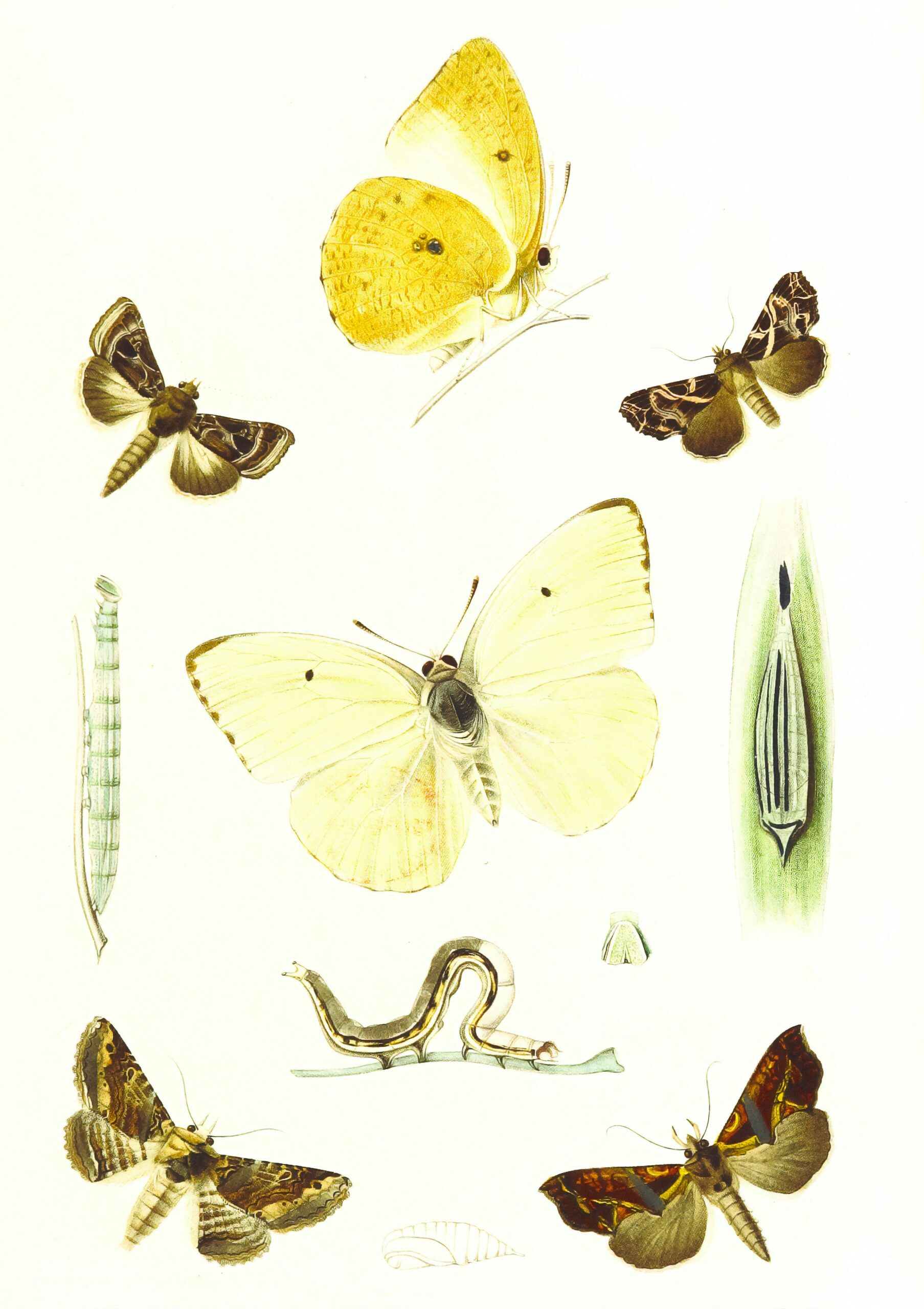
Butterflies are among the most beautiful insects in nature. Their bright colors and delicate wings capture attention wherever they fly. Yet their beauty is only the final chapter of a fascinating transformation. The butterfly life cycle shows how a tiny egg slowly develops into a winged insect through four remarkable stages.
This process is called metamorphosis. It includes four stages: egg, larva, pupa, and adult. Each stage plays a special role in the butterfly’s growth. Every change prepares the insect for the next phase of life. Understanding these stages helps us appreciate how nature works and why butterflies are so important to ecosystems.
In this guide, you will learn how a butterfly grows step by step, what happens at each stage, and how long the process usually takes.
What is the Butterfly Life Cycle?
The life cycle is the process through which a butterfly grows and changes from an egg into a fully formed adult insect. Scientists call this process complete metamorphosis. During this transformation, the insect’s body changes shape, structure, and function. The term complete metamorphosis refers to insects that have four life stages; those that only have three life stages, such as grasshoppers and stink bugs develop through incomplete metamorphosis.
First, the female butterfly lays eggs on plants. These eggs hatch into larvae, which are commonly known as caterpillars. The caterpillar spends most of its time eating and growing. After it molts and sheds its skin several times and reaches the right size, it forms a pupa, also called a chrysalis. Inside this protective casing, it transforms into a butterfly. Finally, the adult butterfly emerges and begins its life in the open air.
This cycle repeats as adult butterflies lay eggs for the next generation.
Stage 1: The Egg
The butterfly’s life begins as an egg. Female butterflies carefully choose where to lay their eggs. They usually place them on the fresh leaves or buds of plants that caterpillars can eat after hatching. These plants are called host plants.
Butterfly eggs are extremely small. Many look like tiny beads or grains. Their shapes vary by species. Some eggs are round, while others are oval with ridges.
The eggshell protects the developing larva inside. At this stage, the developing caterpillar receives nutrients stored within the egg. Warm temperatures and suitable conditions help the embryo grow.
Most butterfly eggs hatch within three to seven days, although this can vary by species, as some butterflies overwinter for months as an egg. When the conditions are right and caterpillar inside is ready, it breaks through the eggshell using its tiny mandibles. The first meal often includes the eggshell itself, which contains valuable nutrients.
After that, the young caterpillar begins searching for fresh leaves to eat, which is why it is important that the mother laid its eggs on or close to fresh, soft leaves that the small caterpillar can consume.
Stage 2: The Larva (Caterpillar)
Once the egg hatches, the butterfly enters the larval stage, commonly known as the caterpillar stage. This stage focuses almost entirely on feeding and growth.
Caterpillars have long, soft bodies with several pairs of legs. Their mandibles are strong and designed for chewing leaves. Because they must grow quickly, caterpillars eat almost constantly. They also need to eat quickly to avoid hungry predators.
As the caterpillar grows, it moves to other leaves on the same plant. Caterpillars of some species may also move to nearby plants.
During this stage, the caterpillar grows rapidly. Its body becomes too large for its skin, so it must shed the outer layer. This process is called molting. Most caterpillars molt four or five times before reaching full size.
Each period between molts is called an instar. With every molt, the caterpillar becomes larger.
The larval stage usually lasts two to four weeks, depending on the species and environmental conditions.
Stage 3: The Pupa (Chrysalis)
After the caterpillar reaches its full size, it prepares for the most dramatic stage of the butterfly life cycle. This stage is known as the pupa, or chrysalis.
The caterpillar finds a safe place, such as the underside of a leaf or a branch. It attaches itself to the surface using silk. Then it forms a protective casing around its body.
Inside the chrysalis, a remarkable transformation takes place. The caterpillar’s body begins to reorganize. Tissues break down and rebuild into new structures. Wings develop, legs form, and the body shape changes completely.
Although the chrysalis appears still from the outside, complex processes occur within. The insect is gradually becoming an adult butterfly.
The color and shape of the chrysalis varies among species. Some are bright green to blend with leaves. Others look brown to resemble tree bark.
The pupal stage usually lasts one to two weeks, but some species remain in this stage longer, especially during colder seasons.
Stage 4: The Adult Butterfly
The final stage of the butterfly life cycle is the adult. When the transformation inside the chrysalis is complete, the butterfly begins to emerge.
First, the chrysalis splits open. The butterfly slowly pulls its body out and hangs from the empty shell. At this point, its wings are soft and folded.
The butterfly pumps fluid through the veins of its wings to expand them. Gradually, the wings become larger and stronger. This process can take several hours.
Once the wings dry completely, the butterfly is ready to fly.
Adult butterflies spend their time feeding, flying, and reproducing. Many use a tube-like mouthpart called a proboscis to drink nectar from flowers. Nectar provides the energy they need for flight.
Butterflies also help plants reproduce by carrying pollen from one flower to another. This makes them important pollinators.
Female adult butterflies search for suitable plants where they can lay eggs. This begins the cycle again for the next generation.
Some butterflies live only a few weeks, while others can survive for several months.
Why the Butterfly Life Cycle Matters
The butterfly life cycle plays an important role in nature. Each stage contributes to the balance of ecosystems.
Caterpillars are food for birds, spiders, and other animals. Adult butterflies help pollinate flowers and support plant growth. Their presence also indicates a healthy environment.
Because butterflies are sensitive to habitat changes, scientists often study their populations to understand environmental conditions. When butterfly numbers decline, it may signal problems such as habitat loss or pollution.
Gardens and natural spaces that include flowering plants and host plants can help support butterfly populations.
How to Support Butterflies in Your Garden
Anyone can help butterflies by creating a friendly habitat. Planting flowers that produce nectar attracts adult butterflies. Native plants often work best because local species depend on them.
Host plants are equally important. Without them, butterflies cannot lay eggs.
Providing sunny areas, shelter from wind, and shallow water sources also helps butterflies thrive. Avoiding harmful pesticides protects both caterpillars and adult butterflies.
Even a small garden can become a great place where butterflies can feed and reproduce.
FAQ About the Butterfly Life Cycle
1. How long does the butterfly life cycle take?
The full butterfly life cycle usually takes four to six weeks, although it varies by species and temperature.
2. What do caterpillars eat?
Caterpillars mostly eat leaves from specific host plants chosen by the female butterfly when laying eggs.
3. What happens inside the chrysalis?
Inside the chrysalis, the caterpillar’s body breaks down and reorganizes to form the adult butterfly’s wings, legs, and organs.
4. Do all butterflies follow the same life cycle?
Yes. All butterflies go through the same four stages: egg, larva, pupa, and adult.
5. Why are butterflies important to nature?
Butterflies help pollinate flowers, support plant growth, and serve as food for other animals in the ecosystem.