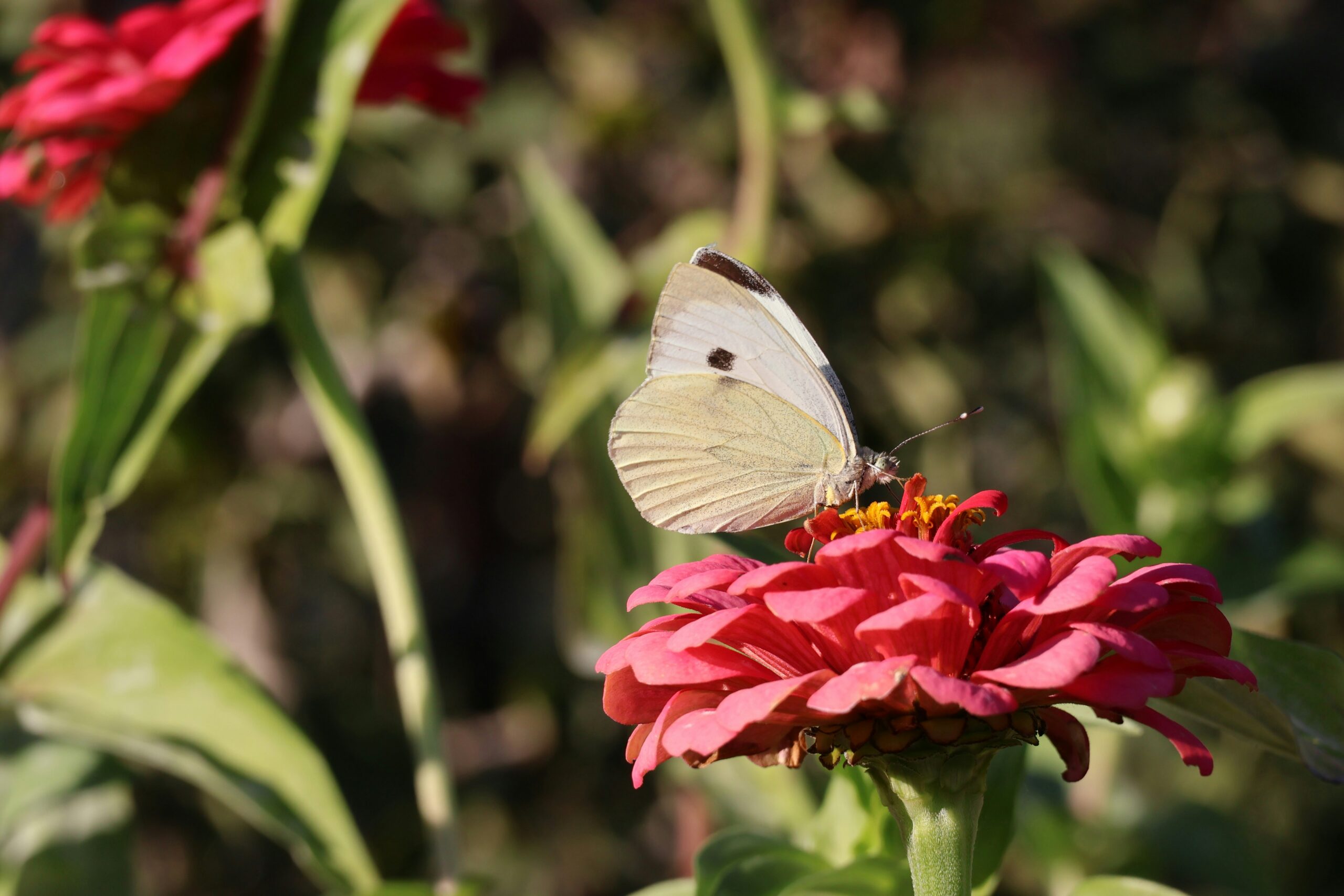
A garden full of butterflies and moths feels alive. Their colors, gentle flight, and quiet presence turn an ordinary yard into a thriving natural space. Many gardeners want to attract Lepidoptera to their garden, but they often assume it requires special knowledge or rare plants. However, it is much more simple. With the right plants and a few small adjustments, your garden can become a welcoming habitat for these beautiful insects.
Lepidoptera includes butterflies and moths. These insects play an important role in pollination and help support a healthy ecosystem. When you invite them into your yard, you also support birds, beneficial insects, and plant diversity. Even a small garden or balcony can become a place where these winged visitors return year after year.
Understanding Lepidoptera and Their Role
Lepidoptera are more than just decorative visitors. They help plants reproduce by transferring pollen from flower to flower. Many species also serve as food for birds and other wildlife, which helps maintain balance in nature.
Nearly all butterflies are active as adults during the day. Many prefer bright flowers and sunny spaces. Moths, on the other hand, are active mostly at night. Many people are unaware that moths are also important pollinators.
Both butterflies and moths follow the same life cycle of four major stages: egg, caterpillar, chrysalis, and adult. Each stage requires a suitable environment. A garden that supports all Lepidoptera stages will be most beneficial.
Start With Nectar-Rich Flowers
Adult butterflies and moths rely on nectar for energy. A garden filled with nectar plants quickly becomes attractive to them.
Choose flowers that are native (you can find out which plants are native from your local nursery), and produce abundant nectar and bloom.
Good nectar plants include coneflowers and milkweed Many of these are native and they are preferable because local butterflies have coevolved with them. Keep in mind that there are many different species of milkweed and some can harm Monarchs because they carry a protozoan that affects the butterfly’s development. Which milkweed species is best for you will depend on your location. You can find out more from your local nursery.
Plant flowers in groups rather than scattering them across the garden. Large patches attract more butterflies from a distance.
Plant Host Plants for Caterpillars
Many adult Lepidoptera need flowers, but caterpillars need specific host plants to feed on to survive. Female butterflies search for these plants when laying eggs. Each lepidopteran species usually depends on one or a few plant species.
Common plants that are in gardens that serve as caterpillar host plants include: Milkweed, which supports Monarch, Queen, and Soldier butterfly caterpillars. Parsley and dill attract swallowtails. Passionflower hosts Gulf Fritillary butterflies. Nettles support several butterfly species as caterpillar host plants, including anglewings, while also providing nectar for adults .
Create Sunny Spaces
Butterflies rely on warmth to fly and feed. They often rest in sunny areas with their wings open to warm up before becoming active.
Choose a garden location that receives several hours of direct sunlight each day to observe butterflies. If your garden is shaded, create open patches where sunlight can reach the flowering plants.
Flat stones and large logs placed in sunny areas can serve as resting spots, especially for anglewings. Butterflies often land on warm surfaces to regulate their body temperature. These simple additions help make your garden more inviting.
Provide Water the Natural Way
Butterflies require liquids to survive. Many feed on flowers, but others do not. Those that do not visit flowers often will drink water from the ground. Many butterflies will land at damp spots on the ground in sunny areas to drink water. This behavior is known as puddling, and it is common among male butterflies that need certain nutrients for mating.
Gravel driveways and dirt paths are great areas for butterflies to puddle. Make sure there is a damp spot that is well lit with sunlight. Adding a small amount of salt or compost can provide minerals that butterflies enjoy.
Avoid Chemical Pesticides
Chemicals can harm butterflies, moths, and their caterpillars. Products designed for general pest control can also significantly affect beneficial insects.
Try natural methods instead. Hand-picking pests, encouraging birds, or introducing native, beneficial insects can reduce problems without harming Lepidoptera.
Healthy soil also helps plants resist pests. Compost and organic matter improve soil structure and plant strength. Strong plants attract more pollinators and require fewer treatments.
Plant for the Entire Season
Butterflies appear at different times of the year. Some species emerge in early spring, while others arrive in late summer.
A garden that blooms from spring through autumn will support a wider variety of butterflies and moths. Good early season flowers include native primrose, mid-season plants include coneflowers, and late-season flowers such as asters and goldenrod help butterflies in autumn..
Include Native Plants
Native plants play a major role in attracting local wildlife.
These plants often require less maintenance because they adapt well to local conditions. They tolerate local weather patterns and soil types better than many exotic plants. However, some non-native plants can be very aggressive, and push out important native plants. It is important to know which plants are native and those that are not.
A garden filled with native flowers, grasses, and shrubs creates a natural environment that supports pollinators, birds, and beneficial insects.
Allow a Little Wildness
A perfectly tidy garden may look attractive to people, but wildlife often prefers a more natural setting.
Leave small patches of leaf litter or natural vegetation. These areas protect caterpillars and pupae. Some Lepidoptera require leaf litter as places to hide as adults
Tall grasses and shrubs also provide shelter from wind and predators. By allowing a small area to remain unstructured and naturally “wild”, you create natural spaces for insects.
Support Moths, your Nocturnal Pollinators
Moths play an important role in pollination, yet many gardeners overlook them. These nighttime visitors prefer pale flowers that release fragrance at night.
Plants such as evening primrose, moonflower, and jasmine attract moths after sunset. White or light-colored flowers reflect moonlight, making them easier for moths to locate using vision.
Reducing outdoor lighting is also important. Bright lights can confuse moths and disrupt their natural behavior. If lighting is needed, use yellow or red lights that are less harmful to moths.
Observe and Learn From Your Garden
One of the joys of gardening is seeing nature up close. When Lepidoptera visit your garden, take time to observe them.
Notice which flowers attract the most visitors. Watch where Lepidoptera rest or lay eggs. These observations can guide future planting choices.
Over time, your garden will develop its own rhythm. Some species will appear regularly, while others may visit during certain seasons. Each year brings discoveries.
Creating a Garden That Thrives With Life
When you design a garden that supports butterflies and moths, you also help the environment. Pollinators face many challenges, including habitat loss and chemical exposure. Even small gardens can become important spaces for these insects.
Focus on nectar plants, host plants, sunlight, and chemical-free care. With patience, your garden will transform into a vibrant habitat filled with movement and color.
The reward is more than visual beauty. A butterfly-friendly garden supports biodiversity and connects you with the natural world.
Frequently Asked Questions
What plants attract butterflies and moths the most?
Flowers that produce rich nectar attract the most butterflies and moths. Recommended choices include native coneflowers and milkweed. Plant native wildflowers as they are plants that do not introduce pathogens and diseases that can harm local Lepidoptera..
Do butterflies need specific plants to lay eggs?
Yes. Many butterfly species require specific host plants for egg laying. For example, Monarch butterflies depend on milkweed, while Giant swallowtail butterflies prefer citrus, while other swallowtails parsley, dill, or fennel.
How long does it take to attract butterflies to a new garden?
Butterflies may appear within days if the garden has suitable plants and sunny areas. However, it may take one or two seasons for populations to increase as butterflies discover the habitat and begin reproducing.
Are moths beneficial for gardens?
Yes. Moths are important pollinators, especially at night. They help fertilize soils and their caterpillars are important food for many songbirds, while adults are important food for bats.
Can small gardens attract butterflies?
Absolutely. Even a balcony or small yard can attract butterflies if it contains nectar-rich flowers, host plants, and a sunny location.