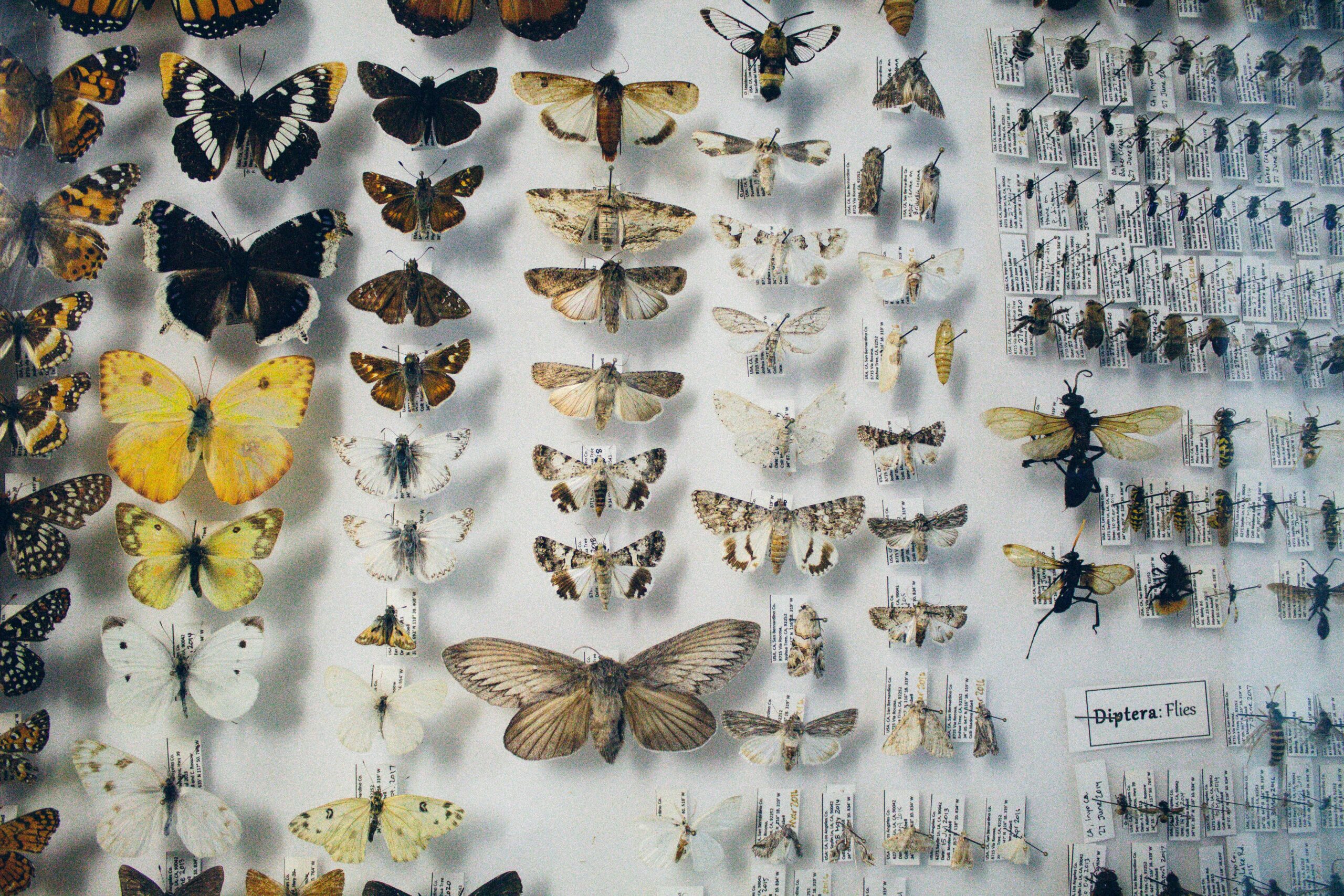
Butterflies and moths belong to a fascinating group of insects called Lepidoptera. Many people start their nature journey by watching these delicate creatures in gardens, forests, and fields. A beginner’s guide to butterfly and moth identification helps new observers understand how to recognize different species and appreciate their behavior.
Learning to identify butterflies and moths does not require expensive tools or years of experience. With careful observation, patience, and basic knowledge, anyone can begin to recognize common species. This guide explains the key features, habits, and tips that help beginners identify butterflies and moths
.
Understanding the World of Lepidoptera
Butterflies and moths belong to the insect order, Lepidoptera. The word means “scale wings.” Their wings are covered with tiny scales that create beautiful colors and patterns.
Scientists have identified more than 160,000 species of Lepidoptera worldwide. Butterflies represent only about 10% of that number. Moths make up the majority.
Both butterflies and moths share similar life cycles. They go through four stages: egg, larva, pupa, and adult. The larval stage is commonly known as the caterpillar stage. During this stage, the insect eats large amounts of leaves and other plant material. Later, it forms a chrysalis or cocoon and transforms into an adult butterfly or moth.
Understanding this life cycle helps beginners recognize these insects at different stages.
Key Differences Between Butterflies and Moths
Many beginners struggle to tell butterflies and moths apart. While they share many features, several visible differences make identification easier.
Butterflies usually fly during the day. Their antennae often end in a small club or hook.
Moths are mostly active at night, although some species fly during the day. When resting, moths often keep their wings flat or spread outward. Their antennae are usually feathery or thread-like.
Another common difference is their bodies. Butterflies often have slender bodies, while moths tend to have thicker and fuzzier bodies.
This is not always the case, but true for most. These traits can help with quick identification in the field.
Observing Wing Patterns and Colors
While scientists use wing venation to identify different families of Lepidoptera apart, wing patterns provide one of the most reliable ways to identify some species of butterflies and moths. Most species can be identified based on wingmarkings, shapes, and color combinations.
Look closely at the upper and lower sides of the wings. Some species show bold spots, stripes, or eye-like markings called eyespots. These patterns often help protect them from predators.
For example, swallowtail butterflies often have striking yellow and black patterns. Monarch butterflies display bright orange wings with black veins and white spots.
Moths often show earth-toned colors such as brown, gray, and cream so they can blend into the background when they are resting during the day.
Taking photos can help you identify species, an excellent APP is iNaturalist, which can help identify species on your phone based on photos you took.
Wing Shape
Wing shape can reveal important clues about the species you observe. Some butterflies have long tails extending from their hind wings. Others have rounded or pointed wing edges.
Swallowtail butterflies, for instance, get their name from the tail-like extensions on their hind wings. Skipper butterflies have shorter wings and a rapid flight style. Anglewings have this name because they have angled wings.
Some Lepidoptera species resemble dead leaves or pieces of bark when they rest.
By studying wing shape along with patterns, beginners can narrow down possible species.
Behavior and Flight Style
Behavior provides useful hints during identification. Butterflies often fly in bright sunlight and many species visit flowers to drink nectar.
Butterflies and moths have variable flight. Some groups like skippers (Hesperiidae), anglewings (Nymphalidae) and hawkmoths (Sphingidae) can fly very fast. Others, like saturniid moths and heliconius butterflies can be very slow in terms of their flight.
Their behavior in terms of when they fly is also generally different. Moths often flight at night and often appear near outdoor lights or porch lamps.
Observing when and how the butterflies and moths fly can often helps identify the family or species.
Plants and Habitats
Butterflies and moths have caterpillars that depend on specific host plants, and adults prefer certain flowers or flower colors..
By observing how Lepidoptera interact with plants, beginners can gain strong clues about the species.
For example, monarch caterpillars feed entirely on milkweed plants. Gulf fritillary butterflies lay eggs on passionflower vines. The Rosy maple moth prefers maple, while the Luna moth has larvae that feeds on sweetgum leaves.
Habitats also matter. Meadows, forests, wetlands, and gardens host different species. A butterfly common in grasslands may not appear in dense forests.
Knowing local plants and habitats helps improve identification skills.
Using Field Guides and Identification Apps
Modern tools make butterfly and moth identification easier than ever. Digital identification APPs like iNaturalist, in combination with traditional field guides can help identify Lepidoptera.
iNaturalist also allows users to upload photos that scientists can use for their research. A children’s version of iNaturalist is the APP, “SEEK.”
Many field guides show photos, distribution maps, and descriptions of different species. Beginners can compare wing patterns and sizes with real observations.
Online databases and nature communities also provide valuable help. Experienced observers often share identification advice and field tips.
These resources allow beginners to learn from both experts and fellow enthusiasts.
Take Photographs and Notes
Photographs provide strong evidence for later comparison. Try to capture images of the wings, body, and antennae. These photos can be easily uploaded to iNaturalist, and the app can help identify quickly. iNatualist also allows team identification projects, which can help groups of people or school classes identify Lepidoptera.
Keeping simple records improves identification skills over time. When you observe a butterfly or moth, write down details such as date, location, and weather.
Over time, your records will form a personal reference library of species in your area.
Learning the Most Common Local Species
Beginners should start by learning a few common species rather than trying to identify everything at once.
Most regions have a few butterfly species that appear frequently in gardens and parks, and it is recommended to start with species that are large and have unique identifying features. Examples include monarchs, painted ladies, cabbage whites, and swallowtails.
Once these species become familiar, it becomes easier to notice the rare species.
The same is true for moths. It is recommended that beginners first recognize common species such as luna, hawk, and tiger moths.
Gradual learning builds confidence and improves observation skills.
Practicing Ethical Observation
Responsible observation protects both insects and their habitats.
Avoid collecting specimens in areas such as protected parks unless you have proper permits or are conducting scientific research.
Nature observation works best when we protect the creatures we study.
Why Butterfly and Moth Identification Matters
Identifying butterflies and moths is more than a hobby. It supports nature education and important environmental awareness.
These insects act as pollinators and food sources for birds and other wildlife. Their presence also reflects the health of local ecosystems.
Scientists often track butterfly populations to monitor environmental changes. When certain species decline, it may signal habitat loss or climate shifts.
Citizen observers can contribute valuable information by recording sightings and sharing them with conservation programs.
Even small observations can help protect these beautiful insects.
Frequently Asked Questions
What is the easiest way to identify a butterfly or moth?
The easiest method involves observing wing patterns, antenna shape, and behavior. Butterflies often fly during the day with club or hookshaped antennae, while moths are usually active at night and have feathery or slender antennae.
Do butterflies and moths live in the same habitats?
Yes, many species share similar habitats such as gardens, forests, and meadows. However, certain species prefer specific environments depending on their host plants.
Can beginners identify species using photos?
Yes. Clear photos of wings, body shape, and antennae can help identify species using field guides or identification apps.
Why do moths gather around lights at night?
Many moth species navigate using natural light sources, such as the moon. Artificial lights can confuse their navigation system, causing them to fly toward lamps and porch lights.
How long do butterflies and moths live?
Most adult butterflies and moths live for several weeks. However, some species live only a few days, while others may survive for several months depending on their life cycle.