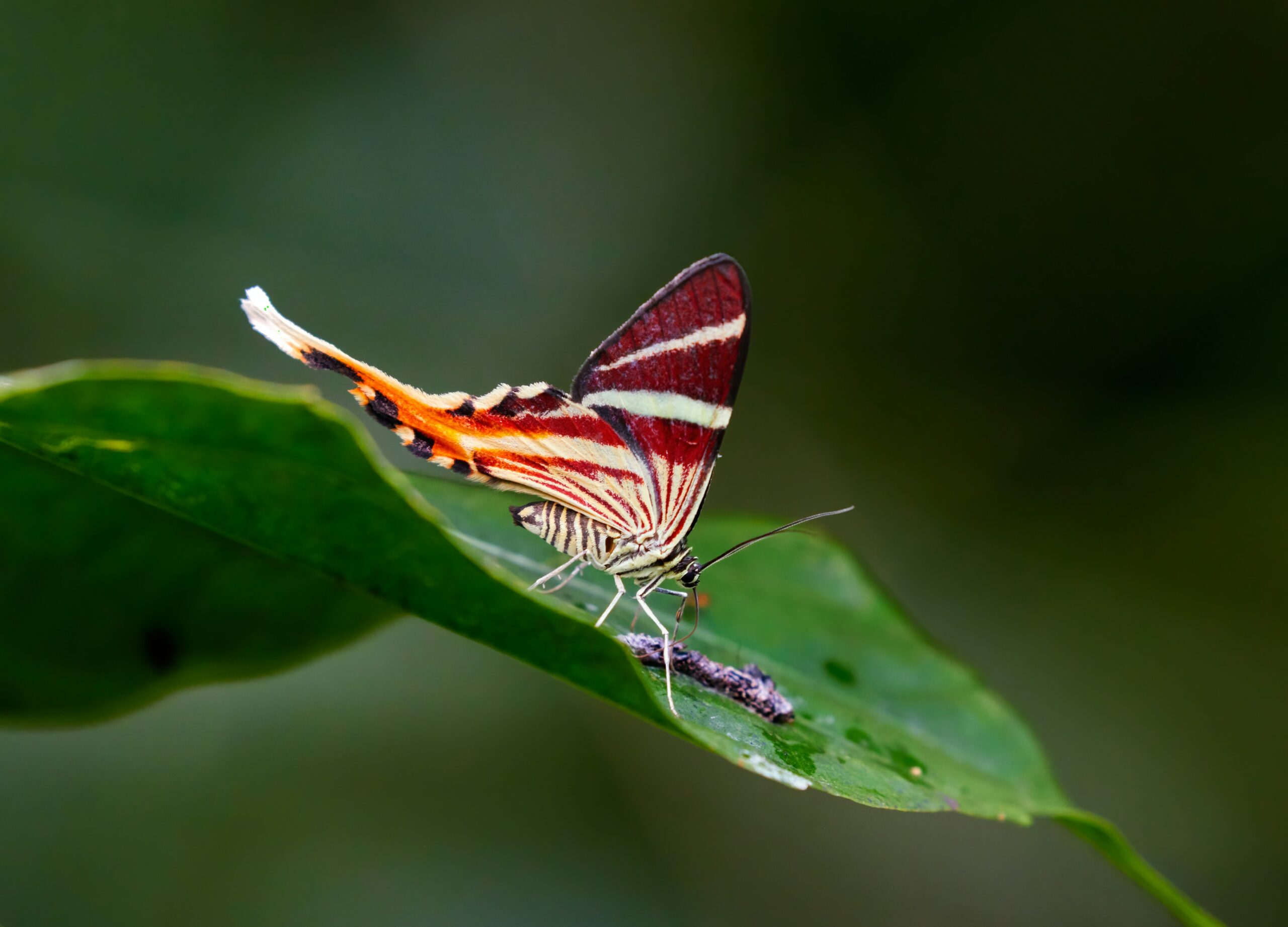
Butterflies and moths belong to the insect order Lepidoptera. These delicate creatures often appear in gardens, forests, and fields around the world. Yet many people know little about them beyond their colorful wings. When you close, the world of Lepidoptera reveals fascinating details. Below are some surprising Lepidoptera facts that many people do not know.
From their unusual wings to their long migrations, Lepidoptera species hold many secrets. Scientists have studied them for centuries, yet discoveries continue to emerge each year. Their behavior, survival skills, and life cycles make them among the most interesting groups of insects on Earth.
The Meaning Behind the Name Lepidoptera
The word Lepidoptera comes from the Greek. It means “scale wings.” The name describes the tiny scales that cover the wings of butterflies and moths. These scales create the bright colors and patterns that make them easy to recognize.
Each scale acts like a small tile on the wing surface. When light hits these scales, it reflects in different ways. This reflection creates vivid colors such as blue, orange, and purple. In some species, color shifts depending on the angle of light. Others have wings that change in UV light in ways that humans cannot see, but animals can.
If you ever touch a butterfly wing, you might notice a fine powder on your fingers. That powder is made of thousands of loose scales. Losing a few scales does not harm the insect; the scales repel water and help it evade predators if it is caught, allowing it to slip away.
There Are More Species Than You Might Expect
Many people think butterflies are rare creatures. In reality, Lepidoptera is one of the largest insect groups on Earth. Scientists have identified more than 160,000 species of butterflies and moths.
Most of these species are moths. Butterflies represent only about a tenth of the order. While butterflies usually fly during the day, moths are active mainly at night. This difference explains why people see butterflies more often.
Lepidoptera species live on every continent except Antarctica. They thrive in rainforests, deserts, grasslands, and mountains. Their ability to adapt to different climates has helped them spread across the world. However, many species have restricted distributions, living on top of a single mountaintop. Some species are extremely endangered and are found in only a single patch of plants!
Their Life Cycle Is a Complete Transformation
One of the most impressive Lepidoptera facts is their life cycle. Butterflies and moths go through four stages of development. This process is known as complete metamorphosis.
The cycle begins with an egg. A female butterfly places eggs on plants that will feed the future caterpillars. After a few days, the egg hatches into a larva, which most people call a caterpillar.
Caterpillars focus on one main task: eating. They consume leaves and plant material, and this stage allows them to store energy for the next stage.
After growing large enough, the caterpillar forms a chrysalis or cocoon. Inside this protective shell, the body undergoes a dramatic change. The insect reorganizes itself into a winged adult.
When the adult butterfly or moth emerges, it begins a new stage of life. Its main goals are feeding, mating, and laying eggs to continue the cycle.
Some Lepidoptera Travel Thousands of Miles
Migration is another surprising feature of certain butterfly species. The monarch butterfly is the most famous example. Every year, millions of monarchs travel thousands of miles across North America.
They move from colder regions toward warmer climates during winter. In some cases, the journey can exceed 3,000 miles. Several generations take part in this migration.
The most remarkable part of this journey is navigation. Monarch butterflies somehow return to the same forests year after year. Scientists believe they use sunlight, Earth’s magnetic field, and environmental cues to guide them.
Another butterfly with a longer journey is the Painted Lady, which was recently discovered flying from the Arctic Circle down across the Sahara Desert in large numbers. Scientists can tell where a butterfly was born by reading tiny chemical signatures in its wings called isotopes. Recent scientific research is using miniature radio tags to track how far they fly. The ProjectMonarch app helps track each monarch using GPS, and you can use your phone to see where they are going.
Long-distance travel is rare among insects. Yet some butterflies manage it with wings that seem fragile.
Caterpillars Have Incredible Appetites
Caterpillars eat far more than most people realize. Some species can consume several times their body weight each day. Their rapid growth requires a constant supply of food.
During the larval stage, caterpillars may shed their skin multiple times. Each stage between these molts is called an instar. With every molt, the caterpillar grows larger.
Certain caterpillars also develop defensive tricks. Some look like bird droppings, sticks, or leaves. Others use silk to drop and hang from a plant when a predator is nearby. Others carry bright warning colors that signal danger to predators.
Surprisingly, there are a few caterpillars that do not eat plant leaves. Instead, they are carnivores. Some hairstreak butterflies have caterpillars that live inside ant nests and “pretend” to be ant larvae by smelling like them. Ants can’t tell the difference, and the caterpillars eat the ant larvae alive! Living inside an ant’s nest also protects them from predators and the outside environment.
These survival strategies help caterpillars avoid birds, lizards, and other hungry animals.
Moths Are More Diverse Than Butterflies
Butterflies usually receive more attention because of their bright colors and daytime activity. However, moths represent the majority of Lepidoptera species.
Moths come in many shapes, sizes, and colors. Many are very small and are called “microlepidoptera.” Even the smallest species display stunning patterns that rival those of any butterfly. Others use camouflage to blend into tree bark or leaves.
The atlas moth is one of the largest moth species in the world. Its wingspan can reach nearly 12 inches. On the other hand, some microlepidoptera are just about the size of a needle head.
Despite their diversity, moths often remain unnoticed because many are active at night.
Wings Built for Efficient Flight
Lepidoptera wings appear delicate, but they function with surprising efficiency. The wing structure enables these insects to glide and maneuver with minimal energy expenditure.
Butterflies can use slow, graceful wing beats. This style helps them float between flowers while searching for nectar. Butterflies with large, narrow wings tend to be gliders. Those with angled wings tend to be fast fliers.
Some hawkmoths can hover while feeding, as hummingbirds do. This ability allows them to drink nectar from flowers without landing. This is a much more efficient way to get nectar and avoid predators that might be sitting and waiting on flowers.
Wing patterns also serve important roles. They help attract mates and warn predators. In some cases, wing markings resemble large eyes to scare away predators.
Many Species Help Plants Reproduce
Lepidoptera play an important role in ecosystems. Many species act as pollinators while feeding on nectar. As they move from flower to flower, they transfer pollen between plants.
This process helps plants produce seeds and fruits. While bees receive most of the attention as pollinators, butterflies and moths also contribute to this process.
Night-blooming flowers often rely on moths for pollination. These flowers release strong scents after sunset and are white, making them visible under moonlight.
Without Lepidoptera, some plants would not survive.
Some Species Use Clever Defense Tricks
Survival in the wild requires creative defense mechanisms. Many Lepidoptera species rely on camouflage. Their wings resemble leaves, bark, lichens, or even dried plant material. There is even a moth caterpillar that decorates its body with dead ant carcases!
Other species display warning colors that signal toxicity. Bright reds, yellows, and black stripes often indicate that predators should stay away. The Monarch caterpillar and adult are good examples.
Certain butterflies also mimic toxic species. This strategy is called mimicry. Predators learn to avoid the dangerous species, which helps protect the harmless imitators as well. What is amazing is that some moths use sounds to warn bat predators, since they fly at night and can’t use bright colors in the dark. Some moths mimic the sounds of other moths to protect themselves from bats!
These tricks allow Lepidoptera to avoid many predators without confrontation.
Butterflies Can Taste With Their Feet
One of the strangest Lepidoptera facts involves how butterflies taste food. Instead of using their mouthparts alone, butterflies can taste with sensors located on their feet.
When a butterfly lands on a plant, these sensors detect chemical signals. This ability helps the insect identify suitable plants on which to lay eggs.
Female butterflies rely on this skill when choosing host plants for their caterpillars. The correct plant ensures the larvae will have the right food after hatching.
This unusual method of tasting helps butterflies make important survival decisions.
Climate Change Is Affecting Their Habitats
Climate change has begun to affect Lepidoptera populations. Rising temperatures and shifting weather patterns alter plant growth and seasonal cycles.
Some butterfly species now emerge earlier in the year than they did in the past. Others must move to new areas as their original habitats change.
Habitat loss also reduces the number of plants caterpillars need to survive. Conservation groups now monitor butterfly populations to understand these changes.
Protecting natural habitats helps maintain healthy Lepidoptera communities.
Why Lepidoptera Continue to Fascinate Scientists
Researchers continue to study butterflies and moths for many reasons. Their life cycles offer insight into insect growth and transformation.
Wing structures inspire engineers who design lightweight flying machines; color patterns on butterfly wings interest scientists studying optics and materials; silk from Lepidoptera has been a fundamental clothing material for millennia; and these silks are now being used to help humans with natural wound-healing products like bandages. Did you know that some COVID-19 vaccines were produced with help from a moth?
Lepidoptera help pollinate many crops important to humans. Without bees and Lepidoptera, we might not have many of the produce we find in grocery stores.
Lepidoptera also serve as environmental indicators, as changes in their populations often reveal shifts in ecosystem health.
These insects may seem small, but they provide valuable information about the natural world.
Frequently Asked Questions
What does Lepidoptera mean?
Lepidoptera comes from Greek words that mean “scale wings.” The name refers to the tiny scales that cover the wings of butterflies and moths.
How many Lepidoptera species exist?
Scientists have identified more than 160,000 species worldwide. Most of these species are moths, not butterflies.
What do Lepidoptera eat?
Adult butterflies and moths usually drink nectar from flowers or drink sap from trees. Most caterpillars eat plant leaves and other plant material.
What is the difference between butterflies and moths?
Butterflies are usually active during the day and often have bright colors. Moths are mostly active at night and often rely on camouflage.
Why are Lepidoptera important for ecosystems?
Many species act as pollinators. They help plants reproduce and also serve as food for birds and other animals, making them an important part of the food chain.