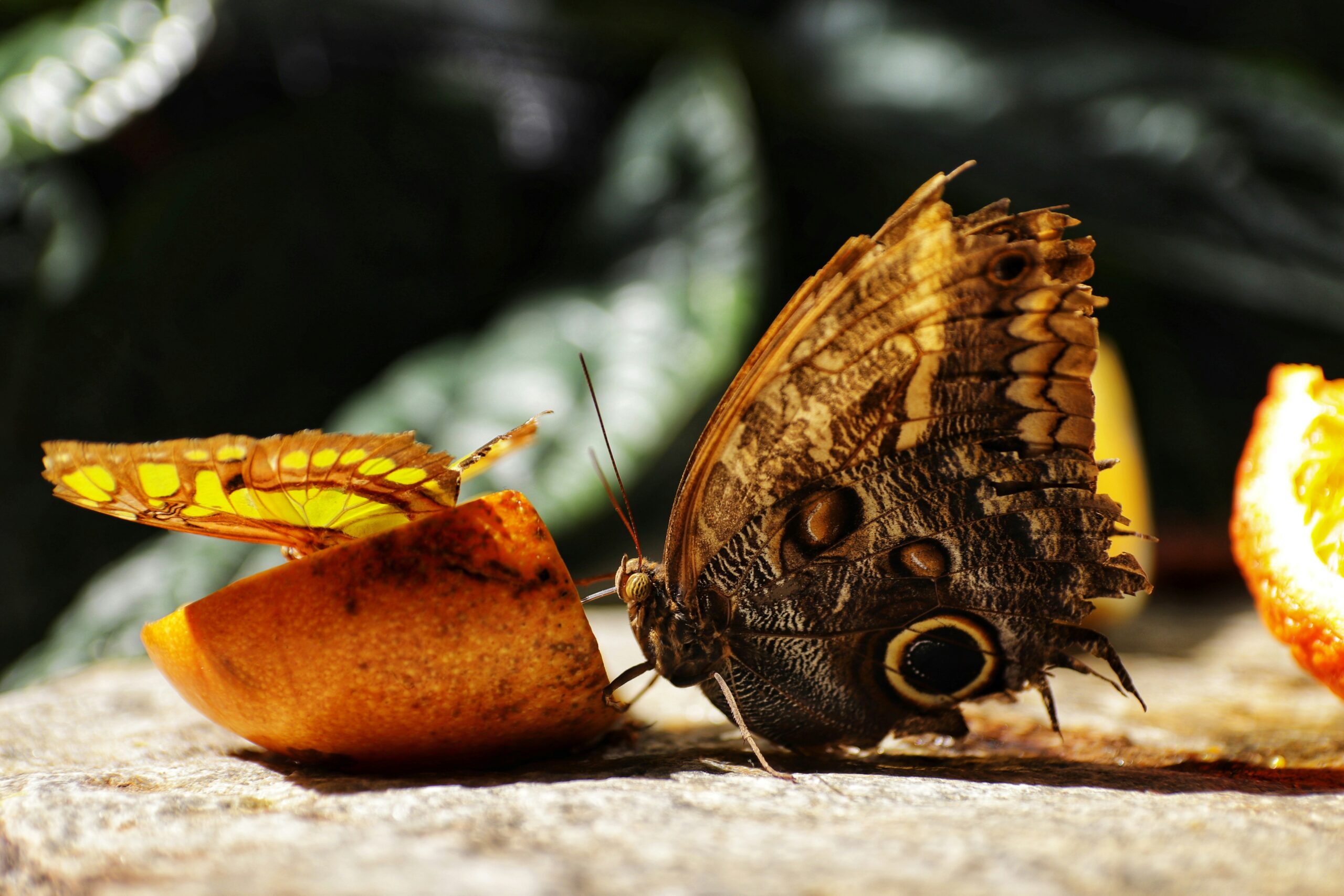
Moths vs butterflies always spark curiosity because these insects share similar shapes, delicate wings, and fascinating life stories. Even though they belong to the same family of Lepidoptera, they display surprising and memorable differences that shape their lives in unique ways. Many people think of butterflies as the colorful dancers of the day and moths as the quiet visitors of the night. Still, the truth goes far deeper than that simple idea. When you explore how they behave, evolve, and help the natural world, you discover that both insects bring incredible value to the environment.
Origins and Evolution
The story of moths vs butterflies begins with their ancient origins. Moths appear in the fossil record long before butterflies even existed. Their early evolution shapes the traits we see in thousands of species today. Because moths come first, butterflies evolve later as a special offshoot of the same insect order. This means every butterfly shares a link to an older moth ancestor. Their ancestry also explains why moths display more species and a wider variety of shapes and sizes.
Butterflies emerge as specialists in daylight activity. Their vibrant colors suit bright environments, and their slender bodies help them fly swiftly and precisely. Their evolution ties them closely to flowering plants that grow in sunny regions. Moths evolve along different paths. Their success grows from adaptability, and they thrive in nearly every habitat on Earth. Many species favor the night, and their senses sharpen for life in low light.
Color and Wing Patterns
The bright colors of butterflies catch attention anywhere they fly. Many species glow with reds, blues, yellows, and oranges. Their wings also carry patterns that warn predators or attract mates. These colors shine best in direct sunlight. Their bold designs help them survive because they send powerful signals with every wingbeat.
Moths show a different style. Many species use earth tones that blend into their surroundings. Browns, grays, tans, and muted greens help them rest safely during the day. Their camouflage hides them from birds and other hunters. Even though many moths use soft colors, some species display vivid shapes and impressive wingspans. When you see a Luna moth or an Atlas moth, the beauty surprises you because it challenges the idea that only butterflies show bright and striking shades.
Daily Activity and Behaviors
The habits of moths vs butterflies differ in noticeable ways. Butterflies move through the world with the sun as their guide. They rely on warm temperatures to fly, and their wings soak up sunlight to help them stay active. They spend their days visiting flowers, feeding on nectar, searching for mates, and exploring open landscapes. Their behavior depends on light, and they thrive when the day stays warm and bright.
Moths usually take over once the sun goes down. Their large, feather-like antennae help them sense even the faintest signals in the air. This sense guides them through the night with surprising accuracy. Many moths hover near flowers the way hummingbirds do, and this ability lets them reach deep nectar sources. Their nighttime flights help countless plants reproduce by pollinating flowers that open long after butterflies have disappeared from the sky. Their attraction to artificial lights still puzzles scientists, yet most research suggests that bright lights confuse their natural navigation systems.
Anatomy That Defines Their Lifestyle
The bodies of moths vs butterflies reveal apparent differences. Butterflies carry slim and smooth bodies shaped for daytime flight. Their antennae end in tiny clubs that help them keep balance and detect scents. Their legs lightly grasp flowers as they feed, and their wings fold upward when they rest. This posture protects their color patterns and keeps them ready to fly at any moment.
Moths show thicker and more furry bodies. Their extra fuzz keeps them warm in cool night air. Their antennae often look like tiny combs or feathers, and this shape helps them locate mates from far away. When they rest, they spread their wings flat or fold them like a tent. This posture hides them in shadows, bark crevices, or leaves. Their wing and body structure reflect life in darker environments where staying hidden matters as much as staying warm.
Habitats and Environmental Adaptations
Butterflies enjoy open and sunny habitats. They fill meadows, gardens, forest edges, and sunny hillsides. These places offer nectar sources and intense sunlight, which boost their energy. Their entire life cycle depends on the presence of host plants for their caterpillars. When these plants disappear, butterfly populations suffer quickly.
Moths thrive across a broader range of environments. You can find them in deserts, rainforests, tundra regions, wetlands, and city parks. Their adaptability helps them survive in places where butterflies struggle to survive. Because many moth species hide during the day, they face fewer dangers from predators that rely on sight. Their wings and colors match nearly every possible background, which helps them occupy more habitats than butterflies.
Pollination and Ecosystem Importance
The moths vs. butterflies debate becomes especially interesting when you consider how each insect supports the environment. Butterflies play a significant role in daytime pollination. Their feeding habits move pollen between flowers while they gather nectar. They support plant diversity and help maintain healthy gardens and natural areas. Butterflies also act as indicators of environmental health because they respond quickly to climate change and habitat loss.
Moths contribute even more than butterflies in many ecosystems. Their nighttime pollination reaches plant species that bloom only in the dark. Many wild plants and even some crops depend on moths for survival. Moths also support food webs in powerful ways. Their caterpillars feed birds, bats, reptiles, and small mammals. Because moths exist in far larger numbers than butterflies, they provide food and pollination at a scale that shapes entire ecosystems.
Surprising Facts That Change Your View
The world of moths vs butterflies holds details that surprise many nature lovers. Butterflies may appear more glamorous, yet moths show far greater diversity. Butterflies visit flowers in the sun, but moths perform essential work long after dusk. Butterflies bring bright color to daylight hours, but moths fill the night with silent beauty and ecological strength. When you look beyond appearance, you find that both insects play vital roles and that moths often influence nature in more profound ways than expected.