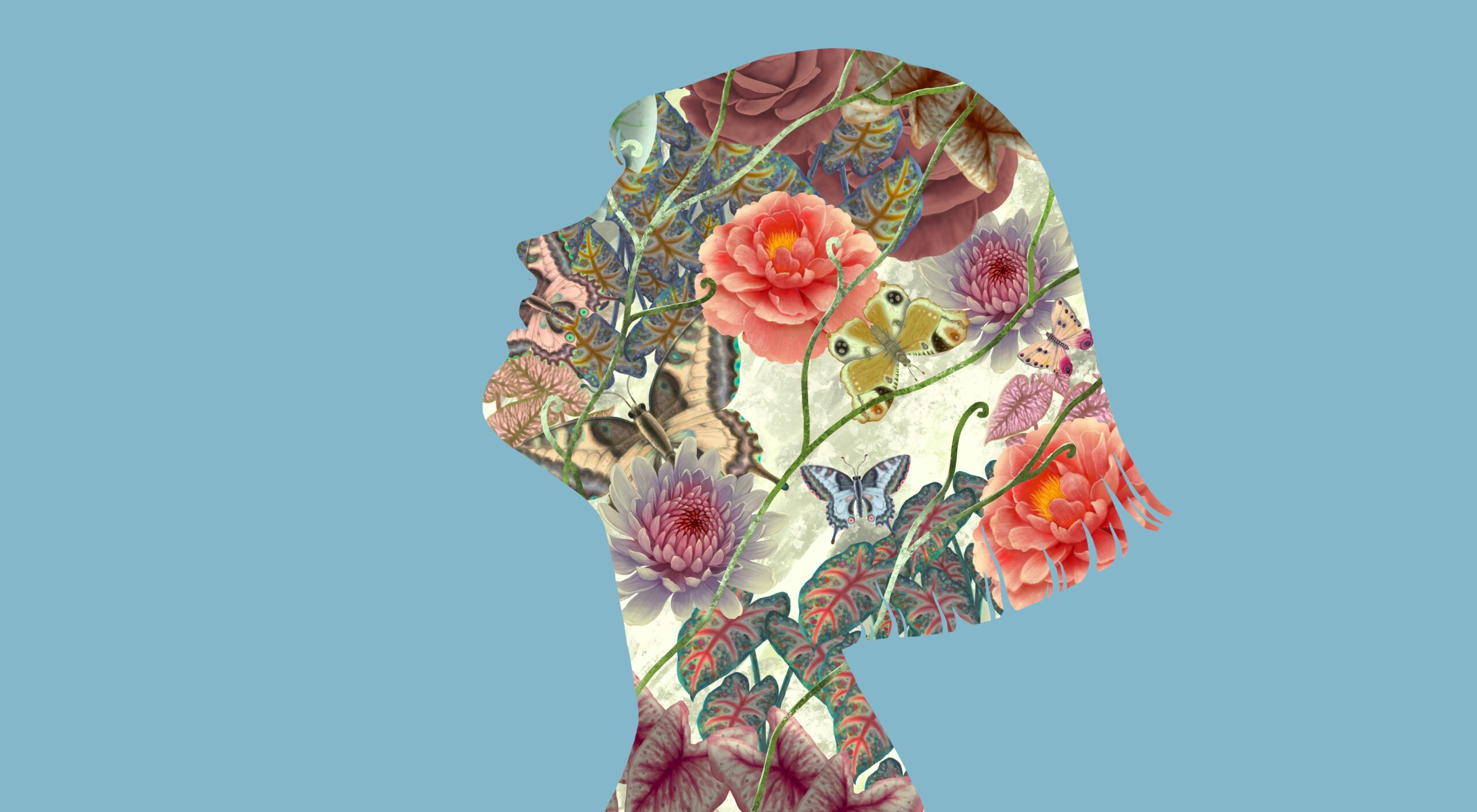
Butterflies capture our imagination with their colors, movement, and delicate beauty. Many people see them as symbols of joy, hope, and renewal. When you take a closer look, you find that butterflies are far more than gentle winged creatures. They are complex, hard-working insects with surprising abilities and an important role in the natural world. In this article, we will explore their life, habits, and wonders in a simple and friendly way that brings their hidden world to life.
How Butterflies Begin Life
Every butterfly starts its journey in one of the most interesting ways in nature. The cycle begins when a female butterfly lays tiny eggs on a plant. She chooses the plant with care, since her young must feed on that plant when they hatch. Soon, the egg becomes a caterpillar. Although it may look simple, the caterpillar spends most of its time eating so it can grow strong. As it eats, it sheds its skin several times. Each stage prepares it for a major change that is coming.
When the caterpillar is fully grown, it forms a chrysalis. This stage is often the most surprising, since many people do not understand what happens inside. While resting inside the chrysalis, the caterpillar transforms into a butterfly. This amazing process is called metamorphosis. After some time, the butterfly emerges with soft, folded wings. It waits a short while as its wings dry and strengthen, then it begins its first flight into the world.
Why Butterfly Wings Are So Colorful
Butterfly wings are more than beautiful; they are designed with tiny scales that reflect and refract light. These scales create the colors and patterns we see. Some colors come from pigments, while others appear through the way light interacts with the wing structure. This is why certain butterflies shine or shift colors as they move.
The patterns on their wings serve many purposes. They help butterflies attract mates, hide from predators, or warn other animals that they are not safe to eat. Some butterflies mimic the appearance of other species for protection. When you watch a butterfly float across a garden, you see the result of millions of years of adaptation that help it survive.
Where Butterflies Live Around the World
Butterflies live almost everywhere on Earth except in extremely cold regions. Many species prefer warm climates with plenty of sunlight and flowering plants. Forests, grasslands, gardens, and even city parks can provide a good home for them. Different species choose different plants for food or shelter. Because of this, a healthy area often has a variety of butterflies.
Some butterflies migrate long distances. The monarch is a well-known example. Each year, monarchs travel thousands of miles across North America to spend the winter in Mexico or California. This long journey shows how strong and determined these delicate insects can be.
What Butterflies Eat and Why It Matters
Adult butterflies feed on nectar from flowers. They use a long, tube-like tongue called a proboscis to sip the sweet liquid. While feeding, they help pollinate plants, which allows fruits, seeds, and flowers to grow. Although butterflies are not the main pollinators in most ecosystems, they still play a helpful part in keeping nature in balance.
Caterpillars eat leaves instead of nectar. Their strong appetite helps them grow quickly so they can transform into butterflies. Because each species usually eats from specific plants, the loss of these plants can affect butterfly populations. This is one reason why planting native flowers and host plants in gardens can support local butterflies.
Butterfly Behavior and Surprising Skills
Butterflies may look gentle, but they have several clever skills that help them survive. Many species can sense chemicals in the air that lead them to food or mates. Their vision is strong, and they can see colors people cannot see. This helps them find flowers with rich nectar. They also listen to vibrations in the air, even though they do not have ears like humans.
Another interesting behavior is basking. Butterflies are cold-blooded, so they need sunlight to warm their bodies. You often see them sitting on rocks or leaves with their wings spread open. This helps them gather heat so they can fly more easily. When the weather turns cloudy or windy, they may rest until the environment feels safe again.
The Role of Butterflies in Nature
Butterflies help keep ecosystems healthy. As caterpillars, they serve as a source of food for birds and other animals. As adults, they play a part in pollination. The presence of butterflies also shows that an environment is thriving. When butterfly populations drop, it can be a sign that something is harming the natural balance.
Gardeners and farmers often watch butterflies to understand the health of their land. A wide range of butterflies means the area has good plant diversity. This helps other insects and wildlife thrive as well. Protecting butterflies often leads to a chain reaction that benefits the entire ecosystem.
How People Can Help Protect Butterflies
Although butterflies are common, many species face threats from habitat loss, climate change, and pollution. The good news is that simple actions can support their survival. Planting native flowers gives adult butterflies a place to feed. Growing host plants such as milkweed for monarchs helps caterpillars grow into their next stage of life. Avoiding chemical pesticides also keeps butterflies safe.
Another easy step is to create small spaces where butterflies can rest and find shelter. A shallow dish with water or moist sand can help them stay hydrated. Even a small patch of flowers on a balcony can attract butterflies in many cities. When more people take part, the impact becomes strong enough to protect butterfly populations for future generations.
Why Butterflies Inspire Us
People often feel calm and happy when they see butterflies. Their gentle flight, bright wings, and graceful movements remind us of freedom and hope. Many cultures view butterflies as symbols of transformation or new beginnings. Watching them encourages us to slow down, enjoy nature, and appreciate small moments.
Because butterflies appear in stories, art, and traditions around the world, they connect people of all ages. Children love to chase them, photographers love to capture them, and gardeners love to attract them. When you learn more about butterflies, you discover that their beauty reflects the deeper magic of the natural world.
Bringing the Magic of Butterflies Closer to Home
If you want to enjoy butterflies more often, start by creating a butterfly-friendly environment around your home. Choose colorful flowers like zinnias, coneflowers, and daisies. Add some plants that caterpillars eat, such as parsley or milkweed. Place your plants where they can receive sunlight, since butterflies love warm, bright spaces.
As butterflies visit your yard, take time to observe their behavior. Notice how they glide from flower to flower or pause to warm their wings. When you watch them closely, you begin to understand the wonders behind their simple and peaceful presence. Their world is full of movement, color, and purpose, and it invites you to slow down and enjoy nature in a new way.
The Beauty of Butterflies Will Always Fascinate Us
Butterflies will continue to be some of the most beloved insects on Earth. Their life cycle, habits, and colors remind us that even small creatures can hold endless beauty and meaning. When we protect them, we protect the natural environments we all depend on. As you explore gardens, parks, or even your own backyard, look for these living jewels and let their presence inspire your curiosity.