A Hidden World in Plain Sight
The secret world of Lepidoptera is all around us, yet many people barely notice it. Lepidoptera is the scientific group that includes butterflies and moths. These insects may look small and quiet, but their lives are full of beauty, mystery, and intrigue. From bright wings to nighttime journeys, Lepidoptera shows us how complex nature can be.
Butterflies often appear in gardens during the day, while moths move through the dark. Together, they make up one of the largest insect groups on Earth. Scientists have named more than 160,000 species of Lepidoptera, and new ones are still being found. Each species plays a role in the balance of the natural world.
What Makes Lepidoptera Unique
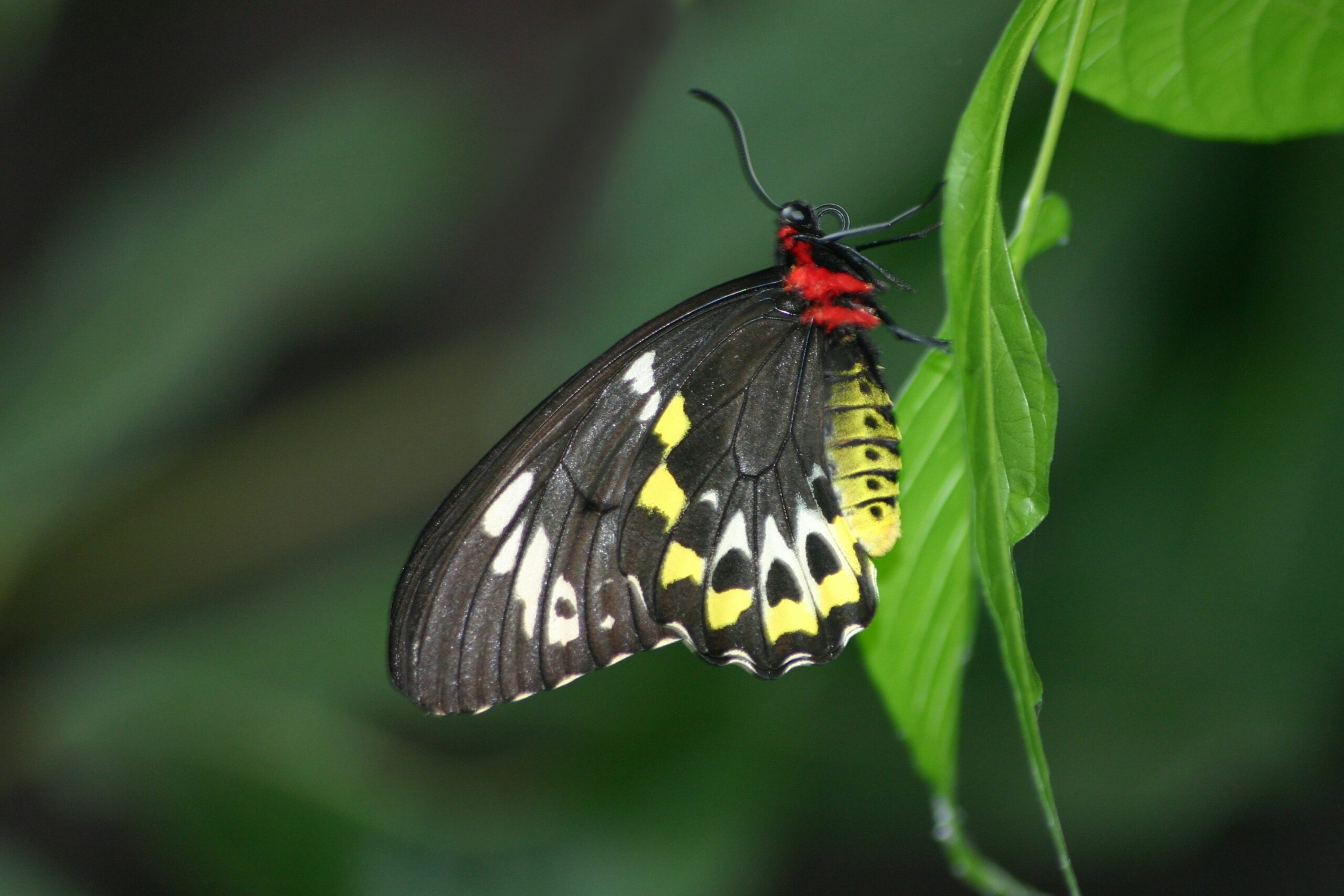
Lepidoptera stands out because of its wings. The wings are covered in tiny scales that reflect light. These scales create colors and patterns that can warn predators, attract mates, or help with camouflage. Some wings shine with bright blues and reds, while others blend into tree bark or leaves.
Another special trait is the long feeding tube called a proboscis. Many Lepidoptera species use it to sip nectar from flowers. This simple action helps plants reproduce, since pollen moves from flower to flower. Without Lepidoptera, many plants would struggle to survive.
The Four Stages of Life
One of the most fascinating parts of the secret world of Lepidoptera is the life cycle. Every butterfly and moth goes through four clear stages. First comes the egg, which is often laid on a specific plant. Next is the larva, also called a caterpillar. This stage focuses on eating and growing.
After that, the caterpillar forms a pupa. Butterflies create a chrysalis, while moths often spin a cocoon. Inside, the body changes in a process called metamorphosis. Finally, the adult emerges with wings ready for flight. This full change is one of nature’s most amazing transformations.
Day Flyers and Night Wanderers
Butterflies and moths may look similar, but their habits differ. Butterflies are active during the day and rest at night. They usually have bright colors and slim bodies. Moths are mostly active at night and often have thicker bodies and duller colors.
Moths rely on scent more than sight. Some can detect smells from miles away. This skill helps them find food and mates in the dark. In the secret world of Lepidoptera, both day and night travelers have special tools that help them survive.
Long Journeys Across the Sky
Migration adds another layer of intrigue to Lepidoptera. The monarch butterfly is the most famous example. Each year, millions travel thousands of miles across North America. No single butterfly completes the full trip alone. Instead, several generations work together to finish the journey.
Scientists are still learning how Lepidoptera navigate. Some use the sun, others rely on Earth’s magnetic field. These tiny insects manage feats that rival the journeys of birds and mammals.
Colors That Tell a Story
Color is not just for beauty in Lepidoptera. It sends messages. Bright colors often signal danger, warning predators that the insect may taste bad. This is common in species that feed on toxic plants as caterpillars.
Other species use mimicry. They copy the colors of dangerous insects to stay safe. Some moths even have wing patterns that look like large eyes. When threatened, they flash these patterns to scare predators away.
Science and the Study of Lepidoptera
The study of Lepidoptera helps scientists learn about climate change and habitat health. Since these insects react quickly to changes in temperature and plant life, they serve as natural indicators. When Lepidoptera numbers drop, it often signals a larger problem in the ecosystem.
Researchers study wing patterns, flight paths, and feeding habits. Modern tools like tracking tags and DNA testing have opened new doors. Yet many secrets of Lepidoptera remain unsolved.
Threats to a Delicate World
The secret world of Lepidoptera faces growing risks. Habitat loss is one of the biggest threats. Forests, fields, and wetlands are disappearing due to development. Pesticides also harm both caterpillars and adult insects.
Climate change affects migration timing and food sources. When plants bloom too early or too late, Lepidoptera may miss their chance to feed. Protecting these insects means protecting the environments they depend on.
Why Lepidoptera Matters to Us
Lepidoptera adds beauty to daily life, but its value goes deeper. These insects support food systems by pollinating crops and wild plants. They also feed birds, bats, and other animals.
By learning about Lepidoptera, people often gain a stronger respect for nature. Simple actions like planting native flowers or reducing chemical use can make a difference.
A World Still Full of Secrets
The secret world of Lepidoptera continues to inspire wonder. Even with years of research, much remains unknown. New species, behaviors, and patterns are still being discovered.
By paying attention to butterflies and moths, we open a door to a richer view of the natural world. Lepidoptera reminds us that beauty and mystery often live side by side, waiting quietly on a leaf or wing.